Paid placements are always labeled Featured and appear first. Nothing else is paid.
TreatmentLane Verified means the provider claimed the listing and confirmed its details with us.
All other listings are ordered by source evidence, profile completeness, and review confidence.
Accreditation and insurance on a listing are reported by the facility to SAMHSA or its public source listing, unless the provider confirmed them. Check them at the source before deciding.
TreatmentLane is a directory, not a referral service. Confirm licensing, insurance, and cost directly with the provider.
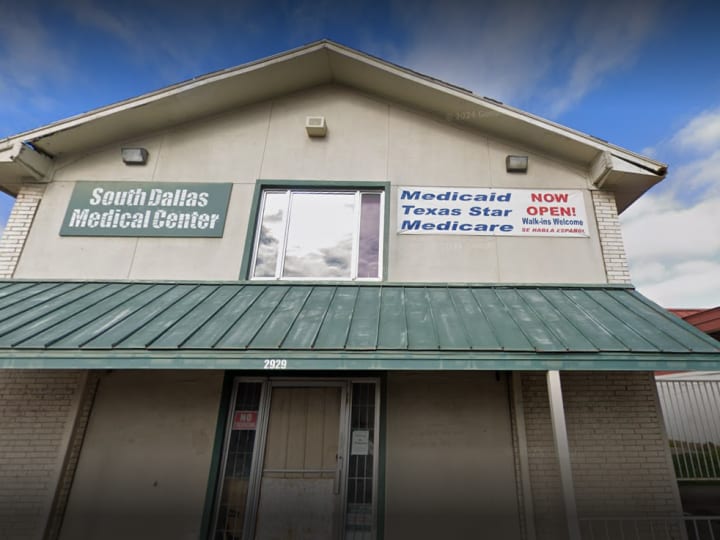
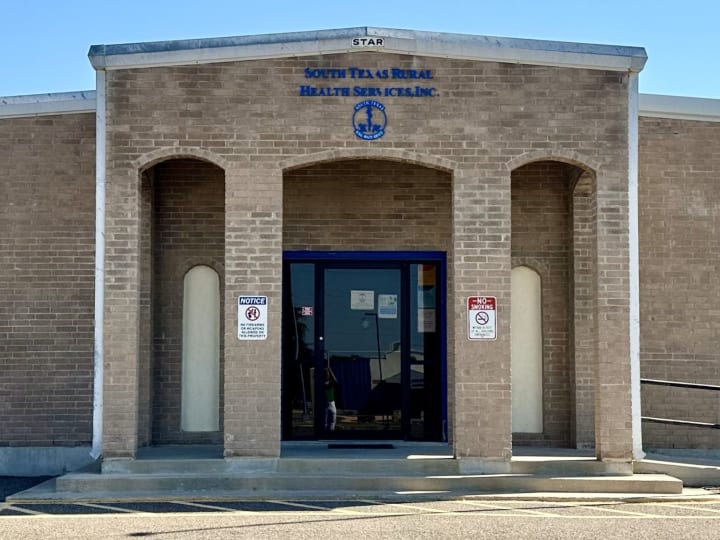
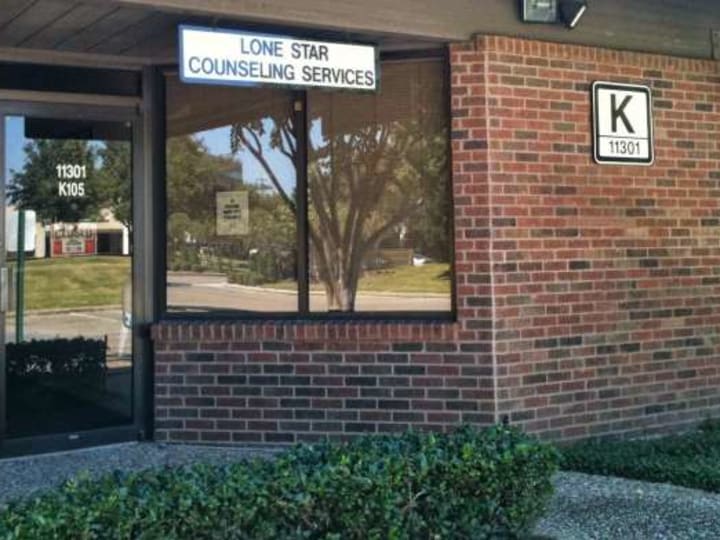
Offers withdrawal management / detox, outpatient treatment, and accepts patients with prescribed medications for alcohol use disorder in Dallas, TX; accepts Medicare and Private insurance.
Reports accepting: Medicare, Private insurance, Cash or self-pay
OutpatientAccepts Patients With Prescribed Medications For Alcohol Use DisorderWithdrawal management / detox
Directory listing Recovery.com source rating: 4.3 from 12 ratings
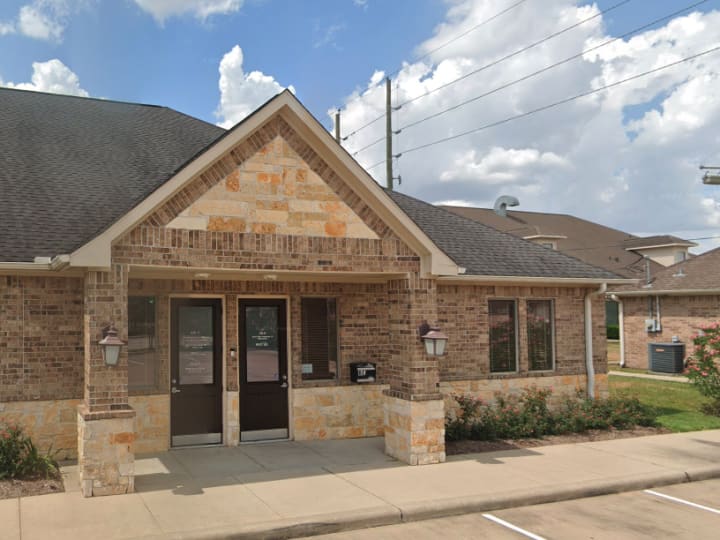
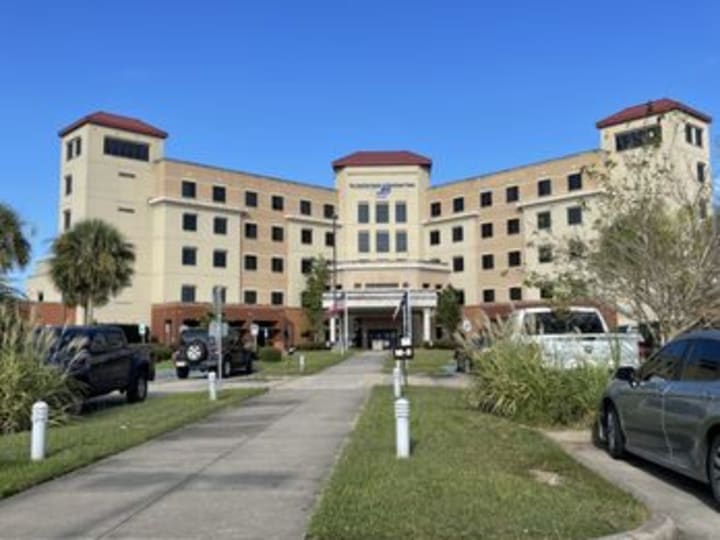
Offers partial hospitalization / day treatment, intensive outpatient program (IOP), and outpatient treatment in Katy, TX; accepts Private insurance and Cash or self-pay.
Reports accepting: Private insurance, Cash or self-pay
HospitalPartial hospitalization / day treatmentLicensed Primary Mental Health
Directory listing Recovery.com source rating: 4.2 from 23 ratings
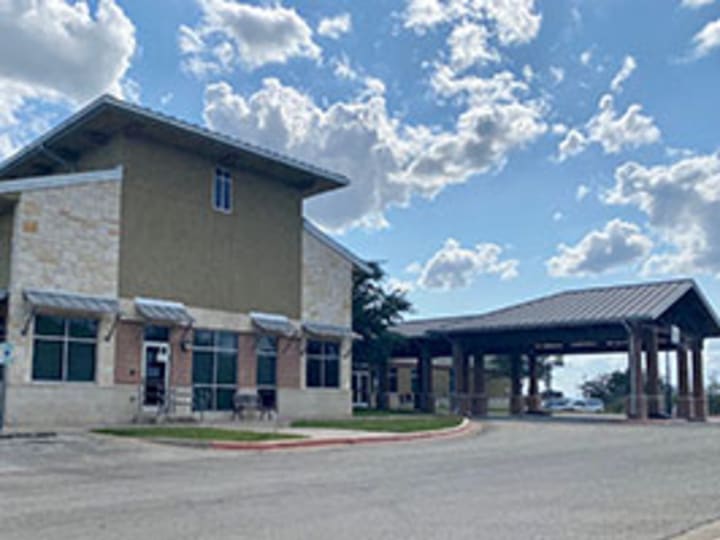
Offers intensive outpatient program (IOP), outpatient treatment, and licensed primary mental health in Marble Falls, TX; accepts Medicare and Medicaid.
Reports accepting: Medicare, Medicaid, Private insurance +2 more
OutpatientLicensed Primary Mental HealthIntensive outpatient program (IOP)
Directory listing Recovery.com source rating: 4.5 from 4 ratings
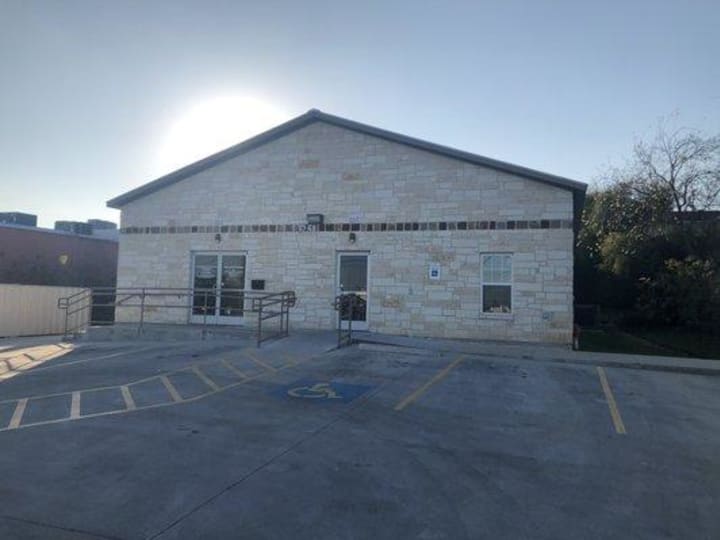
Offers partial hospitalization / day treatment, intensive outpatient program (IOP), and outpatient treatment in Spring, TX; accepts Private insurance and Cash or self-pay.
Reports accepting: Private insurance, Cash or self-pay
HospitalPartial hospitalization / day treatmentLicensed Primary Mental Health
Directory listing Recovery.com source rating: 4.1 from 33 ratings
Offers withdrawal management / detox, partial hospitalization / day treatment, and intensive outpatient program (IOP) in Dallas, TX; accepts Private insurance and Cash or self-pay.
Reports accreditation: The Joint Commission
Reports accepting: Private insurance, Cash or self-pay
OutpatientVirtualWithdrawal management / detox
Directory listing Recovery.com source rating: 4.1 from 24 ratings
Filter by place, type of care, and the insurance you have.
2
Check credentials
Look for the verification label, accreditation, and licensing on each profile.
3
Call and confirm
Ask about openings, your insurance, total cost, and what happens after discharge.
4
Decide with support
A doctor or counselor can help judge which level of care fits.
Finding addiction treatment in Texas
Texas handles addiction treatment licensing through a single state agency, which makes checking a provider simpler than in many states. But Texas is enormous, and the quality and availability of care differ a lot between major cities and rural counties. Here is how oversight works, how to pay for treatment, and what to ask before choosing a program.
Licensing and oversight
In Texas, chemical dependency treatment facilities are licensed by the Health and Human Services Commission (HHSC), through its Regulatory Services Division, under Health and Safety Code Chapter 464. Any facility offering a structured chemical dependency treatment program must hold this license, with only narrow exemptions such as federal facilities or a private practitioner's own office. HHSC also licenses individual chemical dependency counselors, known as LCDCs. To verify a program, use the HHSC online licensing search or its published lists of licensed chemical dependency treatment facilities. A reputable program will share its license number willingly; reluctance to do so is a warning sign.
Paying for treatment
Texas Medicaid is delivered through managed care programs, mainly STAR, STAR+PLUS, and STAR Health. These plans must cover substance use disorder services including assessment, counseling, residential treatment, withdrawal management, and medication-assisted treatment, and care coordinators are required to connect members with the full continuum of care. Private insurance must cover addiction treatment comparably to other medical care under federal parity rules. For the uninsured, many Texas providers receive state and federal grant funding and offer sliding-scale fees, so ask about this early. One important caveat: Texas has not expanded Medicaid under the Affordable Care Act, so eligibility is narrower than in many states and mainly covers children, pregnant women, parents with very low incomes, and people with disabilities. Many working-age adults fall into a coverage gap, and for them the federal marketplace or state-funded providers may be the realistic options.
Questions to ask providers
Ask for the facility's HHSC license number and confirm it through the state's online search. Ask whether the counselors are licensed LCDCs and what the counselor-to-client ratio is, since Texas regulates both the facility and the individual counselor. Confirm which Medicaid managed care plans the program accepts, or how it bills private insurance. Ask whether medication-assisted treatment is offered on site and which medications are available. Ask how the program treats co-occurring mental health conditions, because integrated care leads to better outcomes. Finally, ask about discharge planning: what aftercare is arranged, and does anyone follow up after you leave?
Frequently asked questions
How many addiction treatment centers are in Texas?
TreatmentLane lists 1,363 published addiction treatment, detox, mental health, and recovery listings in Texas. Compare services, insurance information, and contact details, then confirm licensing and availability directly with the provider.
How is addiction treatment licensed in Texas?
In Texas, chemical dependency treatment facilities are licensed by the Health and Human Services Commission (HHSC), through its Regulatory Services Division, under Health and Safety Code Chapter 464.
How can I pay for addiction treatment in Texas?
Texas Medicaid is delivered through managed care programs, mainly STAR, STAR+PLUS, and STAR Health.
What should I ask a treatment center in Texas before choosing one?
Ask for the facility's HHSC license number and confirm it through the state's online search. Ask whether the counselors are licensed LCDCs and what the counselor-to-client ratio is, since Texas regulates both the facility and the individual counselor.