Paid placements are always labeled Featured and appear first. Nothing else is paid.
TreatmentLane Verified means the provider claimed the listing and confirmed its details with us.
All other listings are ordered by source evidence, profile completeness, and review confidence.
Accreditation and insurance on a listing are reported by the facility to SAMHSA or its public source listing, unless the provider confirmed them. Check them at the source before deciding.
TreatmentLane is a directory, not a referral service. Confirm licensing, insurance, and cost directly with the provider.
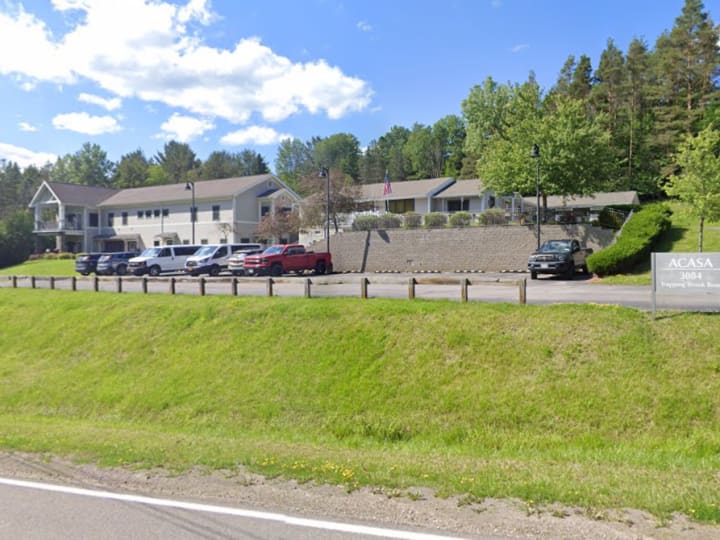
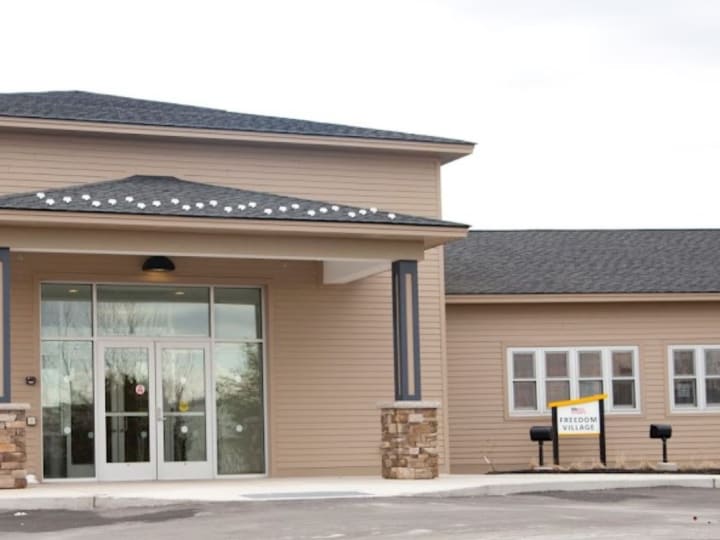
Offers withdrawal management / detox, residential treatment, and partial hospitalization / day treatment in Wellsville, NY; accepts Medicare and Medicaid.
Reports accepting: Medicare, Medicaid, Private insurance +2 more
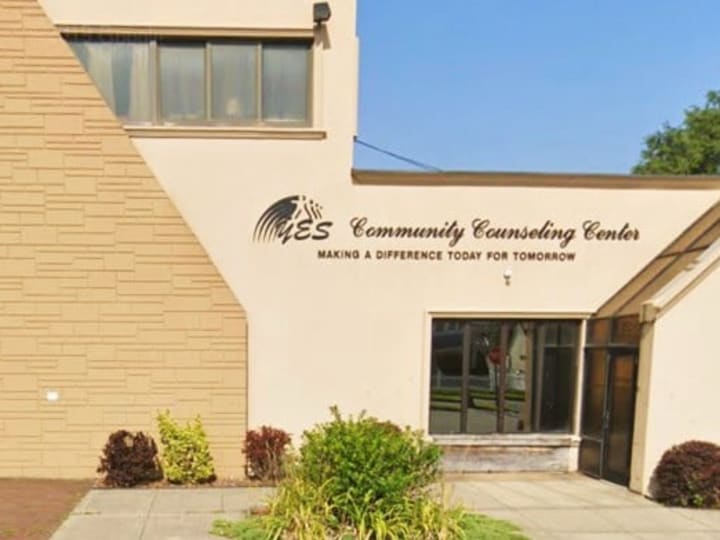
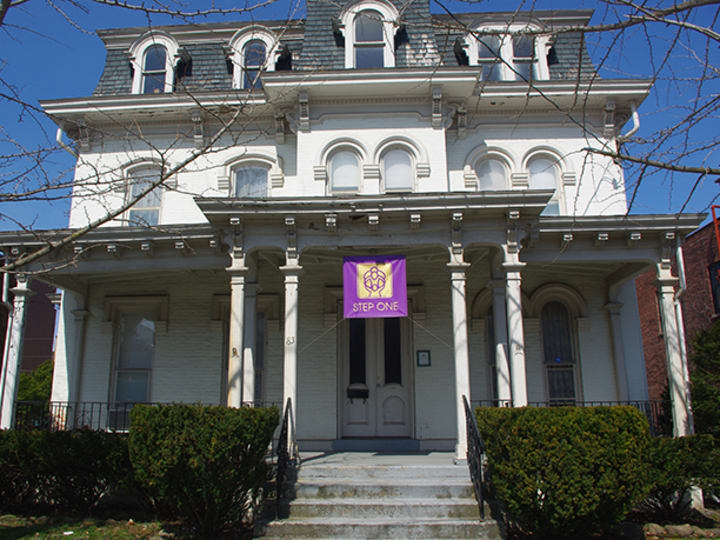
Offers withdrawal management / detox, intensive outpatient program (IOP), and outpatient treatment in New Hyde Park, NY; accepts Medicare and Medicaid.
Reports accepting: Medicare, Medicaid, Private insurance +1 more
OutpatientLicensed Primary Mental HealthDetox
Directory listing Recovery.com source rating: 3.0 from 2 ratings
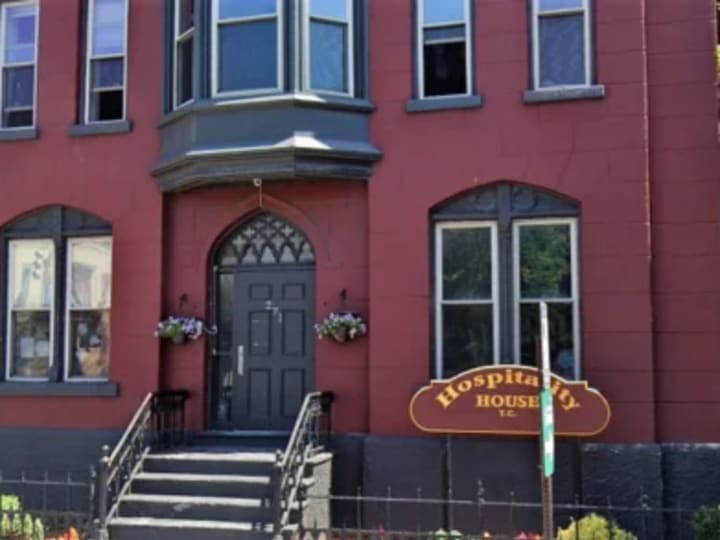
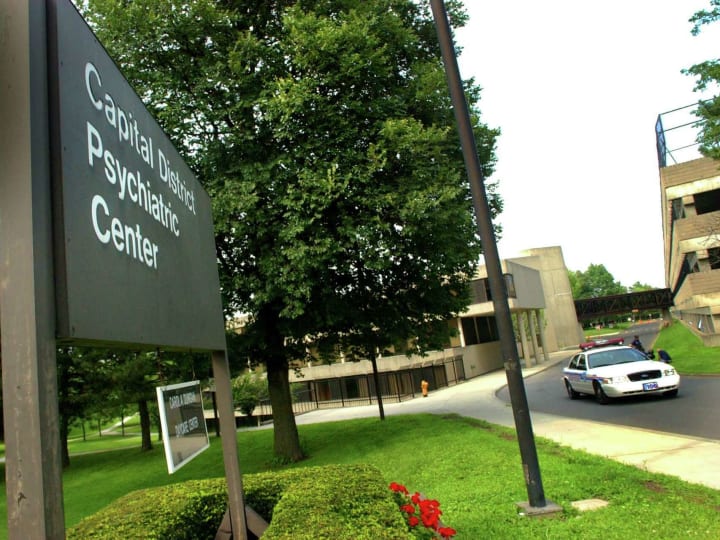
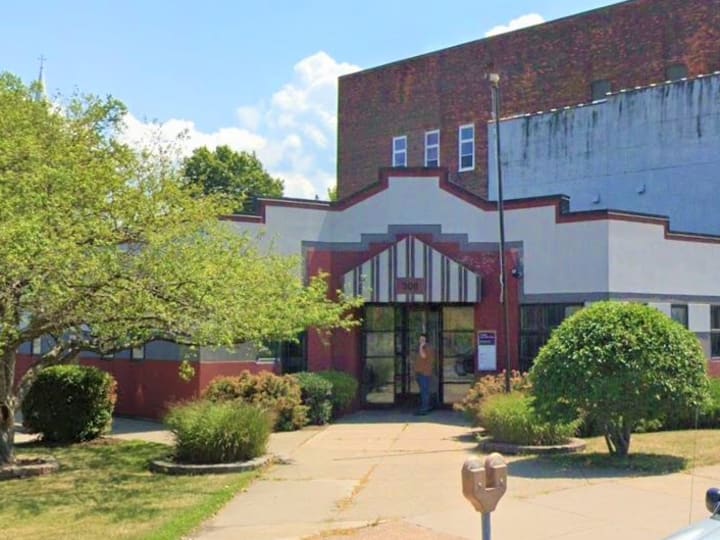
Offers withdrawal management / detox, intensive outpatient program (IOP), and outpatient treatment in Schenectady, NY; accepts Medicaid and Private insurance.
Reports accepting: Medicaid, Private insurance, Cash or self-pay
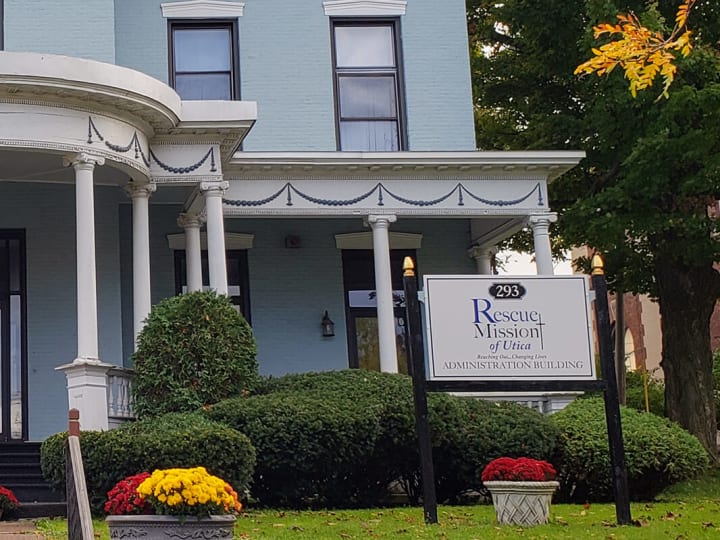
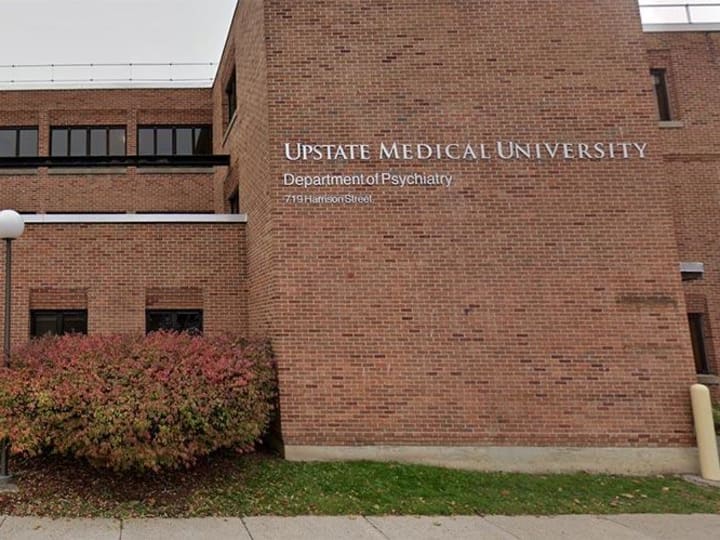
HospitalLicensed Primary Mental HealthOutpatient
Directory listing Recovery.com source rating: 3.3 from 3 ratings
Filter by place, type of care, and the insurance you have.
2
Check credentials
Look for the verification label, accreditation, and licensing on each profile.
3
Call and confirm
Ask about openings, your insurance, total cost, and what happens after discharge.
4
Decide with support
A doctor or counselor can help judge which level of care fits.
Finding addiction treatment in New York
New York has a large treatment system that includes hospital-based care, community programs, residential services, outpatient clinics, and opioid treatment programs. The state also publishes unusually detailed information about certified programs. That makes it possible to check a provider before sharing personal information or paying a deposit, but only if you know which state tools to use.
Licensing and oversight
The New York State Office of Addiction Services and Supports (OASAS) certifies substance use disorder treatment programs. A provider generally needs OASAS approval and certification before opening an addiction service, and later changes to services also require notice and approval. OASAS rules cover different settings, including withdrawal and stabilization, inpatient rehabilitation, residential services, and outpatient programs. Use the official OASAS Provider and Program Search to confirm the program name, address, and approved service type. New York also credentials addiction professionals, including Credentialed Alcoholism and Substance Abuse Counselors, but a counselor credential does not replace program certification. Confirm both when each is relevant.
Paying for treatment
New York Medicaid covers a broad range of substance use disorder care. Depending on eligibility and plan type, benefits can include outpatient treatment, intensive outpatient care, residential services, withdrawal management, opioid treatment, and medications for addiction treatment. Most members receive behavioral health benefits through Medicaid managed care. Adults with significant behavioral health needs may qualify for a Health and Recovery Plan, which adds care management and community-based supports. Private coverage varies by network and authorization rules, so ask the insurer to identify the exact benefit, deductible, and approved level of care. If a program says it accepts insurance, verify that it is in network for your specific plan rather than relying on a general statement.
Questions to ask providers
Ask for the program's OASAS operating certificate number and look it up in the state directory. Confirm that the listed service type matches what is being recommended, especially for residential care or withdrawal management. Ask whether the program will continue an existing medication for opioid or alcohol use disorder when clinically appropriate. Get a written explanation of insurance authorization, expected out-of-pocket costs, and any services billed by a separate medical group. Ask who completes the level-of-care assessment, which credentials the clinical staff hold, and how co-occurring mental health conditions are treated. Before admission, also ask what step-down care will be arranged and who coordinates the transition.
Frequently asked questions
How many addiction treatment centers are in New York?
TreatmentLane lists 1,790 published addiction treatment, detox, mental health, and recovery listings in New York. Compare services, insurance information, and contact details, then confirm licensing and availability directly with the provider.
How is addiction treatment licensed in New York?
The New York State Office of Addiction Services and Supports (OASAS) certifies substance use disorder treatment programs. A provider generally needs OASAS approval and certification before opening an addiction service, and later changes to services also require notice and approval.
How can I pay for addiction treatment in New York?
New York Medicaid covers a broad range of substance use disorder care. Depending on eligibility and plan type, benefits can include outpatient treatment, intensive outpatient care, residential services, withdrawal management, opioid treatment, and medications for addiction treatment.
What should I ask a treatment center in New York before choosing one?
Ask for the program's OASAS operating certificate number and look it up in the state directory. Confirm that the listed service type matches what is being recommended, especially for residential care or withdrawal management.