Rochester, NH
1 locationInfinity Peer Support
Offers outpatient treatment, prescribes medications for alcohol use disorder, and outpatient programs in Rochester, NH.
OutpatientPrescribes Medications For Alcohol Use DisorderOutpatient treatment
Compare 218 published listings. Confirm licensing, services, insurance, and availability directly with each provider.
Offers outpatient treatment, prescribes medications for alcohol use disorder, and outpatient programs in Rochester, NH.

Offers outpatient treatment, licensed primary mental health, and outpatient programs in Nashua, NH.
Offers outpatient treatment, outpatient therapy, and licensed primary mental health in Littleton, NH.
Offers residential treatment, sober living, and treatment centers in Lebanon, NH.
Offers outpatient treatment and outpatient programs in Claremont, NH.
Offers outpatient treatment, licensed primary mental health, and outpatient programs in Plymouth, NH.

Offers intensive outpatient program (IOP), outpatient treatment, and outpatient programs in Lebanon, NH.
Offers outpatient treatment and outpatient programs in Laconia, NH.

Offers outpatient, treatment centers, and outpatient programs in Concord, NH.
Offers residential treatment, licensed primary mental health, and treatment centers in Greenland, NH.
Offers outpatient treatment and outpatient programs in Salem, NH.

Offers outpatient treatment, licensed primary mental health, and outpatient programs in Manchester, NH.
Offers outpatient therapy and outpatient in Manchester, NH.
Offers outpatient treatment, licensed primary mental health, and outpatient programs in Nashua, NH.
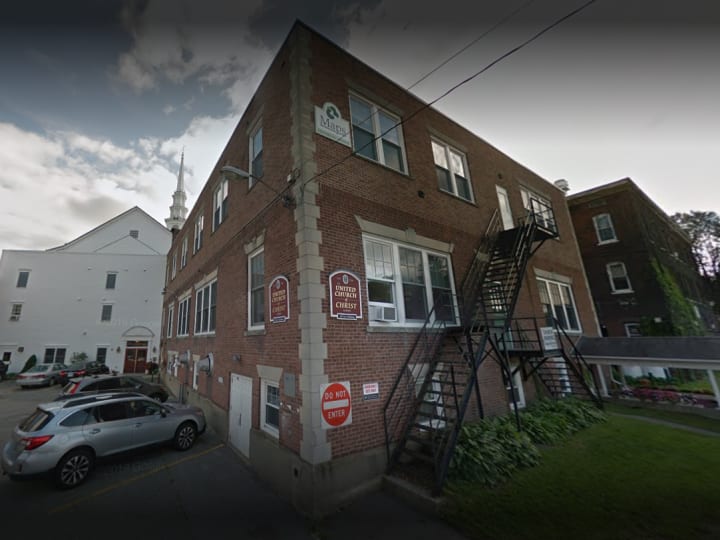
Offers outpatient treatment, outpatient therapy, and licensed primary mental health in Keene, NH.
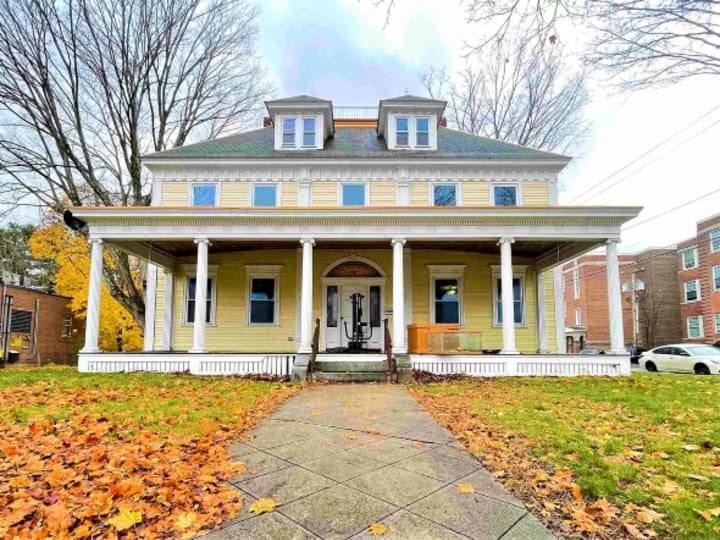
Offers sober living in Claremont, NH.
Offers outpatient treatment, virtual / telehealth, and virtual in Dover, NH.
Offers intensive outpatient program (IOP), outpatient treatment, and outpatient programs in Dover, NH.
Offers outpatient treatment, virtual / telehealth, and virtual in Dover, NH.

Offers residential, detox, and treatment centers in Bethlehem, NH.
Offers outpatient treatment, licensed primary mental health, and outpatient programs in Exeter, NH.
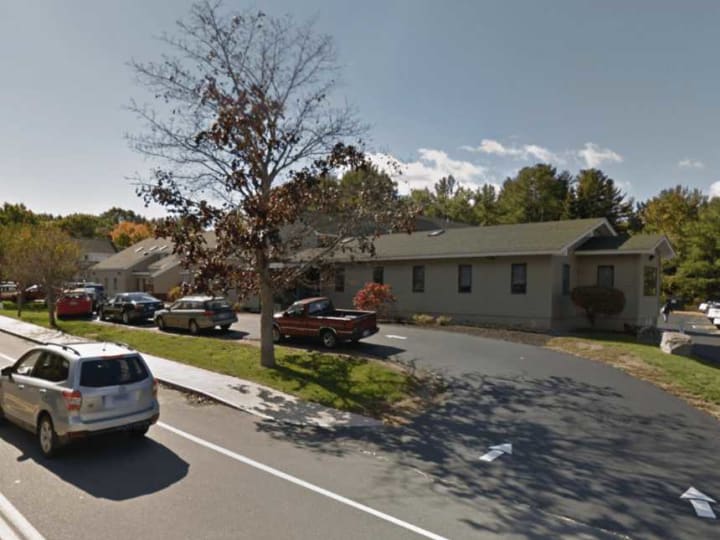
Offers outpatient treatment, licensed primary mental health, and outpatient programs in Portsmouth, NH.
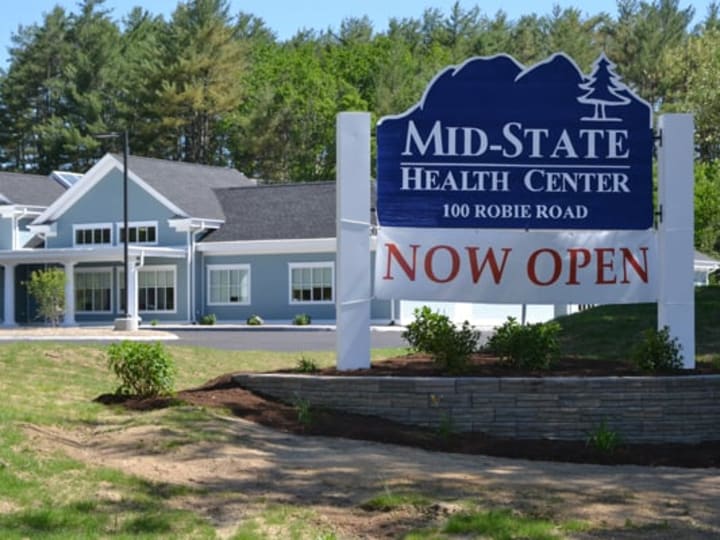
Offers outpatient treatment, licensed primary mental health, and outpatient programs in Bristol, NH.
Offers outpatient treatment, virtual / telehealth, and virtual in Keene, NH.
These cities have the most published listings in New Hampshire. Select a city to see its listings.
Published listings in New Hampshire by type of care. Select a type to filter the directory.
Four steps from first search to a decision.
Filter by place, type of care, and the insurance you have.
Look for the verification label, accreditation, and licensing on each profile.
Ask about openings, your insurance, total cost, and what happens after discharge.
A doctor or counselor can help judge which level of care fits.
New Hampshire uses facility licensing for residential substance use treatment and separate Medicaid enrollment rules for outpatient and comprehensive programs. Verify the setting, license, provider qualifications, and payer arrangement before accepting a recommendation.
The New Hampshire Department of Health and Human Services licenses residential treatment and rehabilitation facilities under RSA 151 and He-P 807 through its health facility licensing function. The state also designates and contracts with community substance use disorder programs under the New Hampshire substance use services system. Outpatient and comprehensive programs must meet applicable provider and professional requirements, including licensed alcohol and drug counselors for covered clinical work. Ask the organization which facility license, program designation, and professional credentials apply to the exact service and address. A community contract, counselor license, or national accreditation does not by itself establish that a residential facility holds the required license.
New Hampshire Medicaid covers eligible substance use disorder treatment and recovery support through enrolled outpatient and comprehensive programs, with service definitions and provider qualifications in state rules and manuals. Coverage can include outpatient, intensive outpatient, partial hospitalization, residential, and medication services when requirements are met. Network and authorization rules depend on the member's Medicaid arrangement. Call the plan with the legal provider name and exact service. Publicly funded providers may help uninsured residents access care. Private insurance members should verify facility, clinician, medication, laboratory, transportation, and room or board charges separately.
For residential care, ask for the New Hampshire facility license and verify the address. For outpatient care, ask whether the program is enrolled as an outpatient or comprehensive substance use disorder provider and which licensed professionals deliver services. Confirm Medicaid plan participation or private insurance network status, and ask who obtains authorization. Find out which medications for opioid or alcohol use disorder are available and whether current prescriptions continue. Ask what medical staff are present, how emergency transfer works, and whether any service is provided by a separate organization. Request written costs and the name of the continuing-care provider before admission.
TreatmentLane lists 218 published addiction treatment, detox, mental health, and recovery listings in New Hampshire. Compare services, insurance information, and contact details, then confirm licensing and availability directly with the provider.
The New Hampshire Department of Health and Human Services licenses residential treatment and rehabilitation facilities under RSA 151 and He-P 807 through its health facility licensing function.
New Hampshire Medicaid covers eligible substance use disorder treatment and recovery support through enrolled outpatient and comprehensive programs, with service definitions and provider qualifications in state rules and manuals.
For residential care, ask for the New Hampshire facility license and verify the address. For outpatient care, ask whether the program is enrolled as an outpatient or comprehensive substance use disorder provider and which licensed professionals deliver services.