Paid placements are always labeled Featured and appear first. Nothing else is paid.
TreatmentLane Verified means the provider claimed the listing and confirmed its details with us.
All other listings are ordered by source evidence, profile completeness, and review confidence.
Accreditation and insurance on a listing are reported by the facility to SAMHSA or its public source listing, unless the provider confirmed them. Check them at the source before deciding.
TreatmentLane is a directory, not a referral service. Confirm licensing, insurance, and cost directly with the provider.
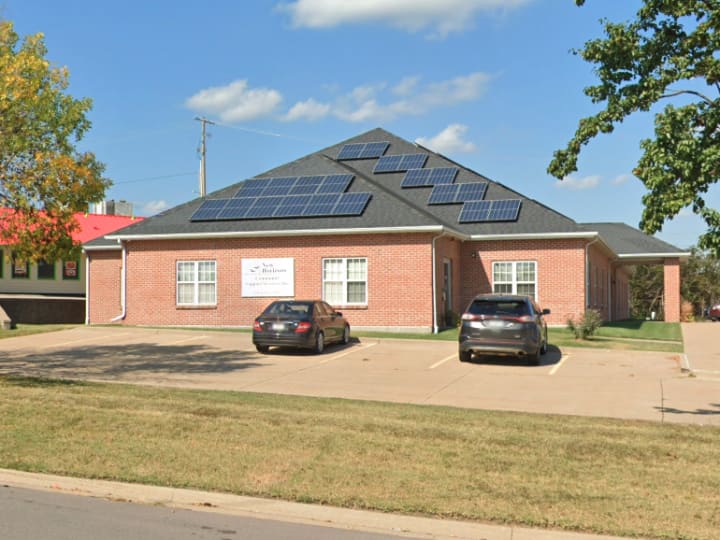
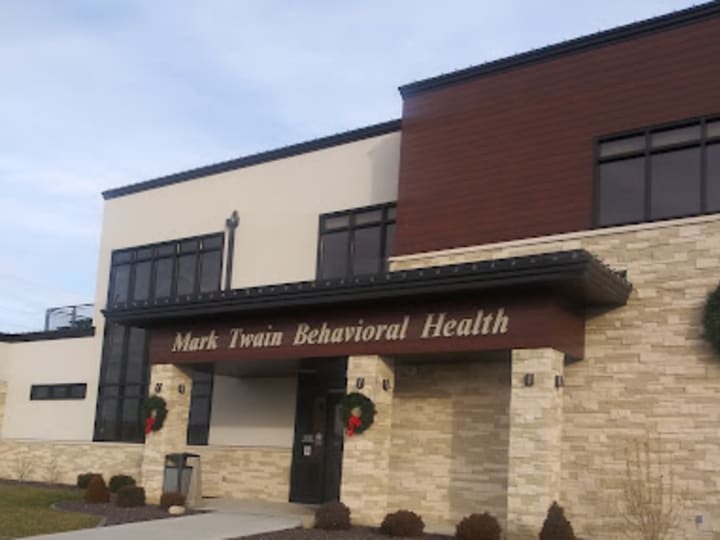
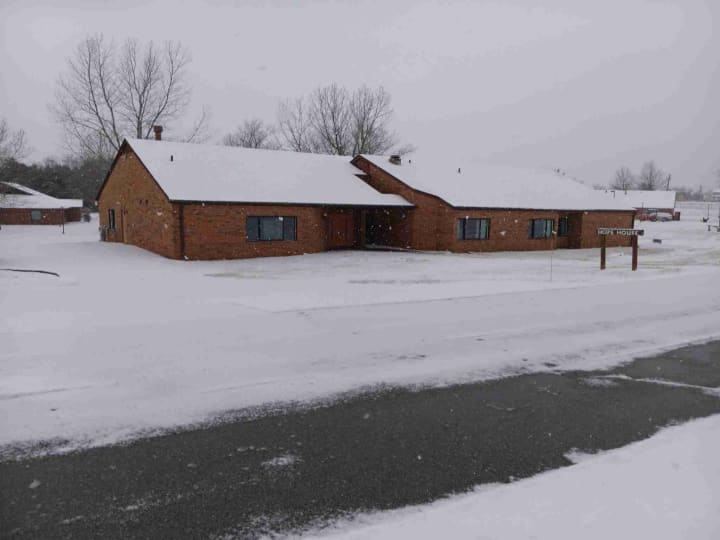
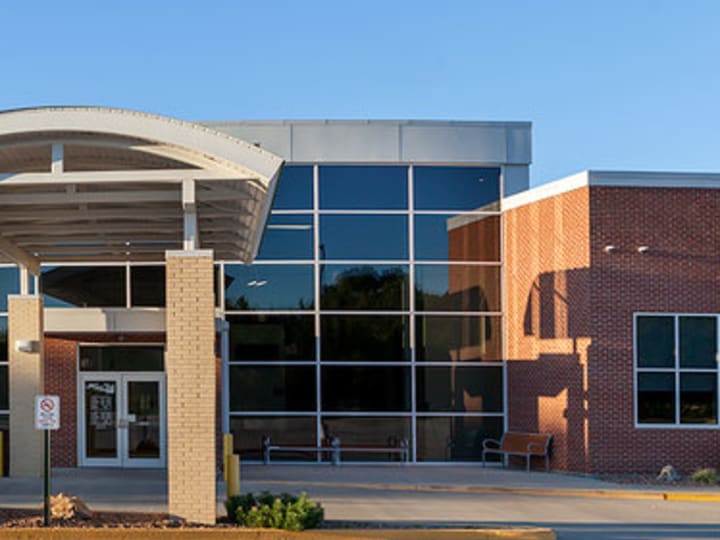
Offers withdrawal management / detox, partial hospitalization / day treatment, and intensive outpatient program (IOP) in Saint Joseph, MO; accepts Medicare and Medicaid.
Reports accreditation: CARF International, National Committee for Quality Assurance
Reports accepting: Medicare, Medicaid, Private insurance +2 more
OutpatientPartial hospitalization / day treatmentLicensed Primary Mental Health
Directory listing Recovery.com source rating: 3.0 from 1 ratings
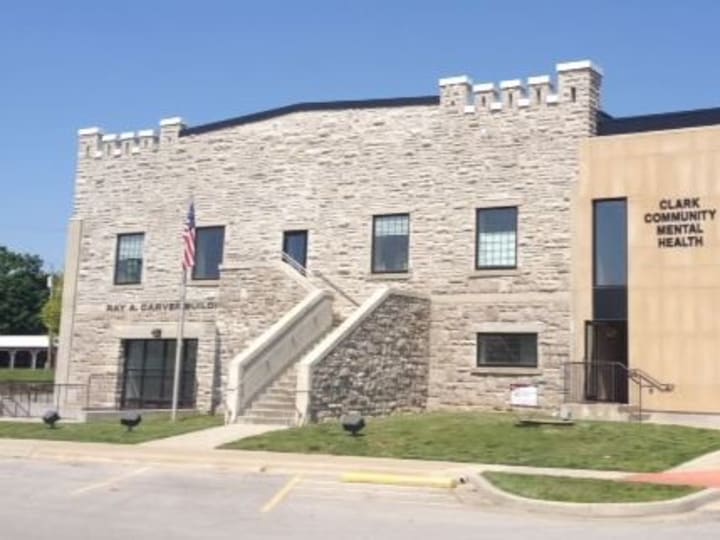
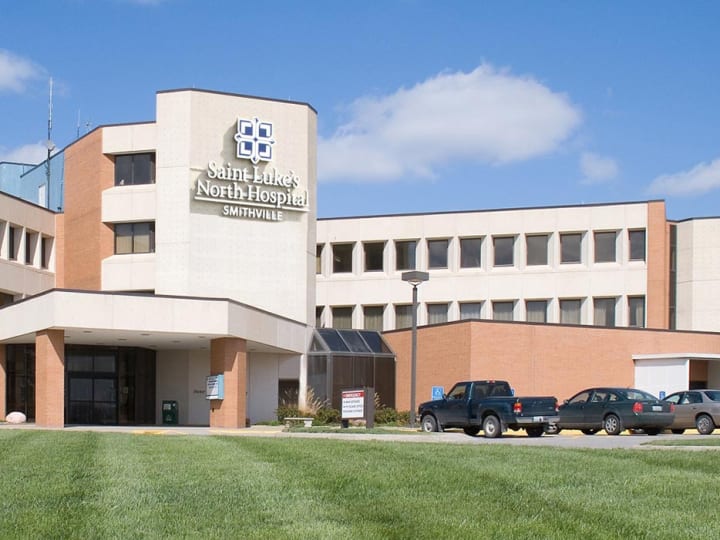
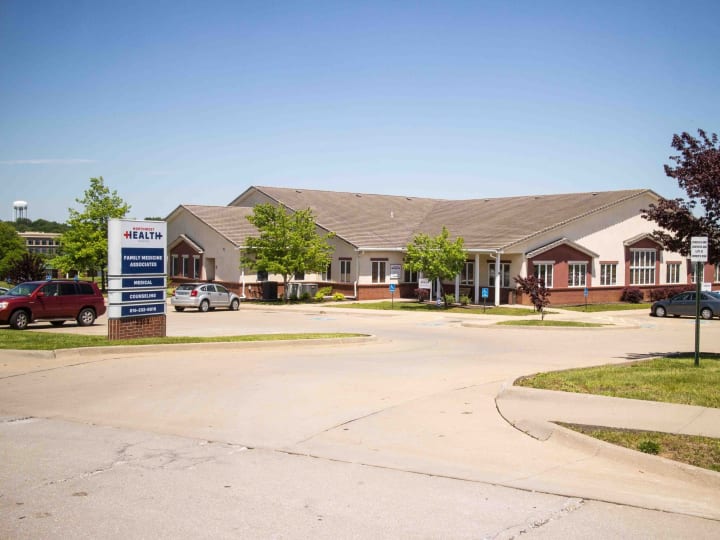
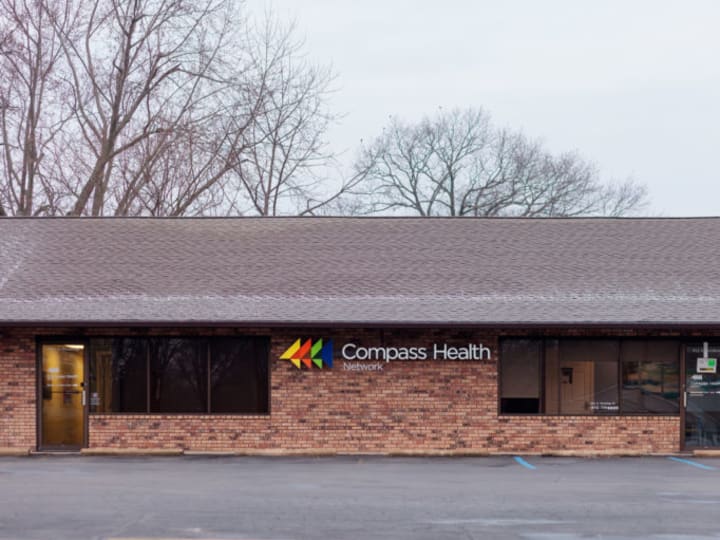
Offers withdrawal management / detox, partial hospitalization / day treatment, and intensive outpatient program (IOP) in Nevada, MO; accepts Medicare and Medicaid.
Reports accepting: Medicare, Medicaid, Private insurance +2 more
HospitalPartial hospitalization / day treatmentLicensed Primary Mental Health
Directory listing Recovery.com source rating: 3.4 from 5 ratings
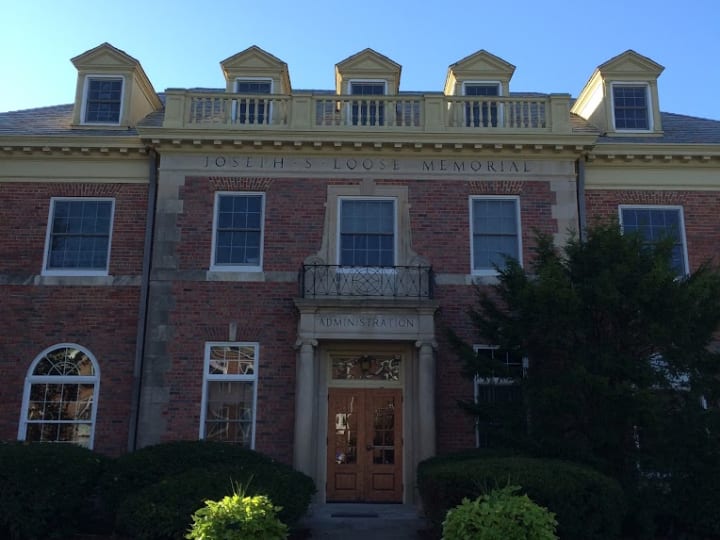
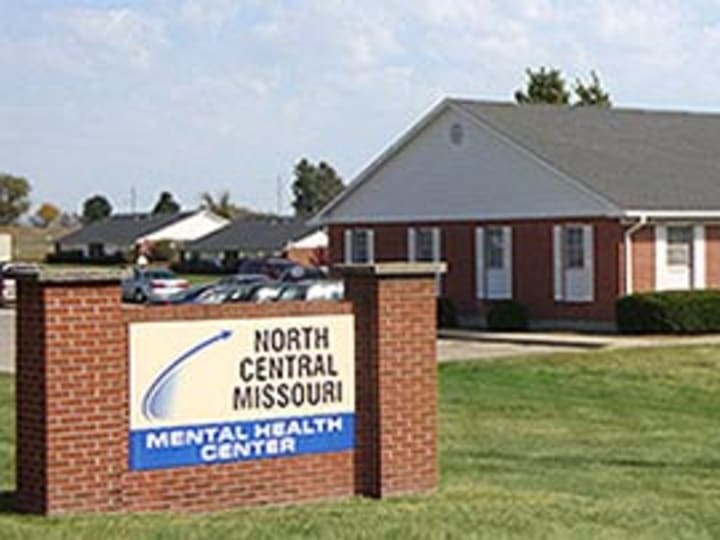
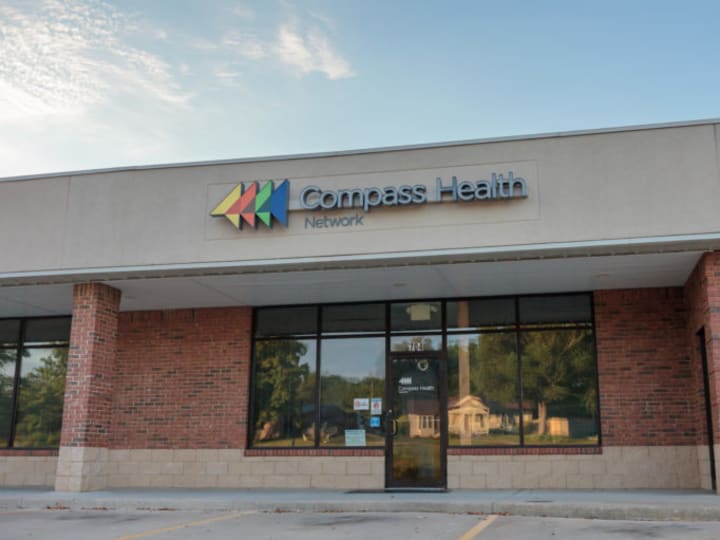
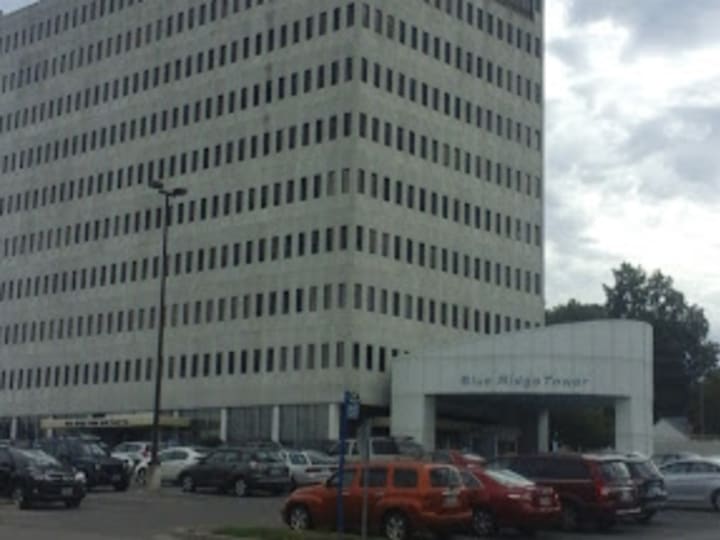
Offers withdrawal management / detox, residential treatment, and partial hospitalization / day treatment in Hannibal, MO; accepts Medicare and Medicaid.
Reports accreditation: CARF International
Reports accepting: Medicare, Medicaid, Private insurance +2 more
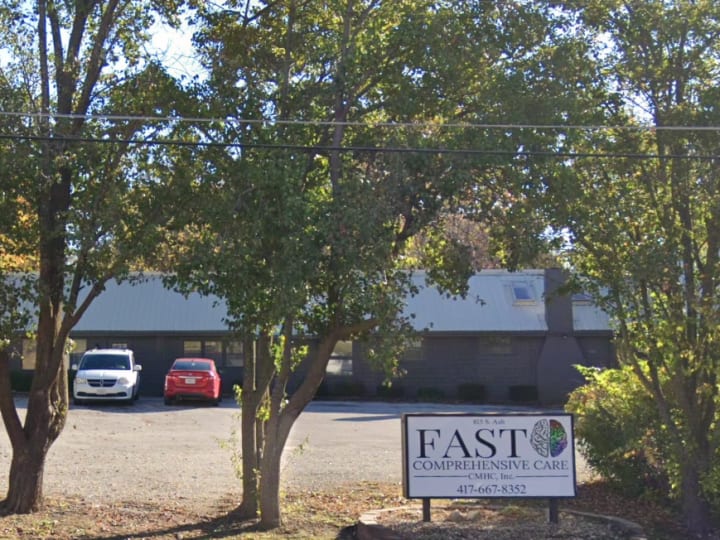
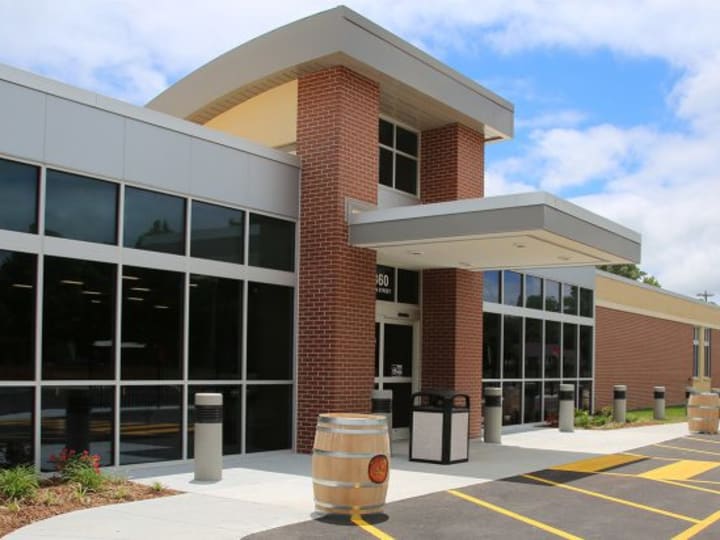
Offers withdrawal management / detox, residential treatment, and partial hospitalization / day treatment in Clinton, MO; accepts Medicare and Medicaid.
Reports accreditation: The Joint Commission, CARF International
Reports accepting: Medicare, Medicaid, Private insurance +2 more
Filter by place, type of care, and the insurance you have.
2
Check credentials
Look for the verification label, accreditation, and licensing on each profile.
3
Call and confirm
Ask about openings, your insurance, total cost, and what happens after discharge.
4
Decide with support
A doctor or counselor can help judge which level of care fits.
Finding addiction treatment in Missouri
Missouri's certification rules depend on how a treatment organization is funded and whether it participates in the state service network. Medicaid substance use care is commonly delivered through certified programs. Confirm the program's status and payer participation instead of assuming every private provider follows the same path.
Licensing and oversight
The Missouri Department of Mental Health, Division of Behavioral Health, certifies organizations that contract with the department, participate in authorized service networks, receive certain public funds, or seek reimbursement through designated Medicaid programs such as Comprehensive Substance Treatment and Rehabilitation, known as CSTAR. Missouri states that non-contracted private agencies are not universally required to obtain the same certification unless another rule applies. Ask the provider whether it is DMH certified, nationally accredited, privately operated outside the state network, or subject to another facility license. Use the DMH certified-provider directory to verify claims. Also confirm the professional licenses of clinicians and any federal approval required for opioid treatment.
Paying for treatment
Missouri Medicaid is called MO HealthNet. CSTAR provides covered services for members assessed as needing treatment for alcohol or substance use disorders through qualifying certified and enrolled programs. Residential coverage can be available under Missouri's approved substance use disorder demonstration when program and clinical requirements are met. Certification does not guarantee participation in every managed care arrangement. Call MO HealthNet or the plan with the provider's legal name, location, and service. People without coverage can ask DMH-funded programs about eligibility and openings. Private insurance members should verify facility, professional, medication, laboratory, and housing charges separately.
Questions to ask providers
Ask whether the organization is DMH certified and verify it in the state directory. If it is not certified, ask which law, facility license, accreditation, and professional credentials govern the program and why DMH certification is not required. Confirm CSTAR or other MO HealthNet enrollment and plan participation, or private insurance network status. Ask who obtains authorization and how a reduced approval is handled. Find out which medications for opioid or alcohol use disorder are offered, what medical staff are present, and how emergencies are transferred. Before admission, request written costs and a continuing-care plan that identifies the next provider.
Frequently asked questions
How many addiction treatment centers are in Missouri?
TreatmentLane lists 533 published addiction treatment, detox, mental health, and recovery listings in Missouri. Compare services, insurance information, and contact details, then confirm licensing and availability directly with the provider.
How is addiction treatment licensed in Missouri?
The Missouri Department of Mental Health, Division of Behavioral Health, certifies organizations that contract with the department, participate in authorized service networks, receive certain public funds, or seek reimbursement through designated Medicaid programs such as Comprehensive Substance Treatment and Rehabilitation, known as CSTAR.
How can I pay for addiction treatment in Missouri?
Missouri Medicaid is called MO HealthNet. CSTAR provides covered services for members assessed as needing treatment for alcohol or substance use disorders through qualifying certified and enrolled programs.
What should I ask a treatment center in Missouri before choosing one?
Ask whether the organization is DMH certified and verify it in the state directory. If it is not certified, ask which law, facility license, accreditation, and professional credentials govern the program and why DMH certification is not required.