Paid placements are always labeled Featured and appear first. Nothing else is paid.
TreatmentLane Verified means the provider claimed the listing and confirmed its details with us.
All other listings are ordered by source evidence, profile completeness, and review confidence.
Accreditation and insurance on a listing are reported by the facility to SAMHSA or its public source listing, unless the provider confirmed them. Check them at the source before deciding.
TreatmentLane is a directory, not a referral service. Confirm licensing, insurance, and cost directly with the provider.
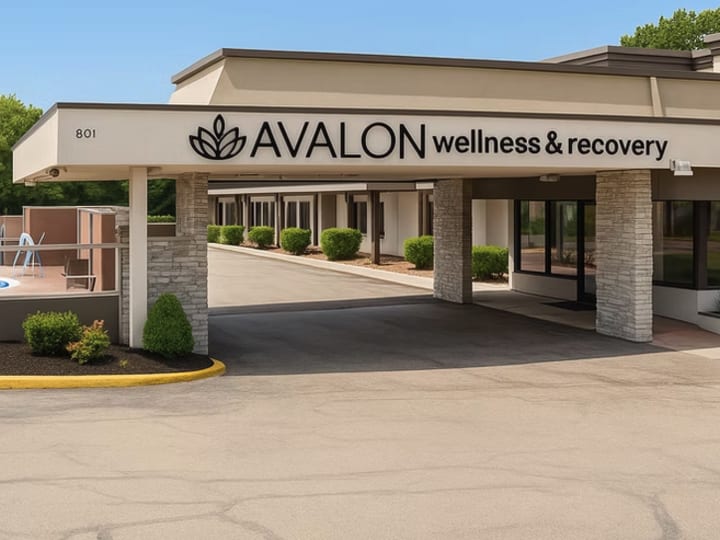
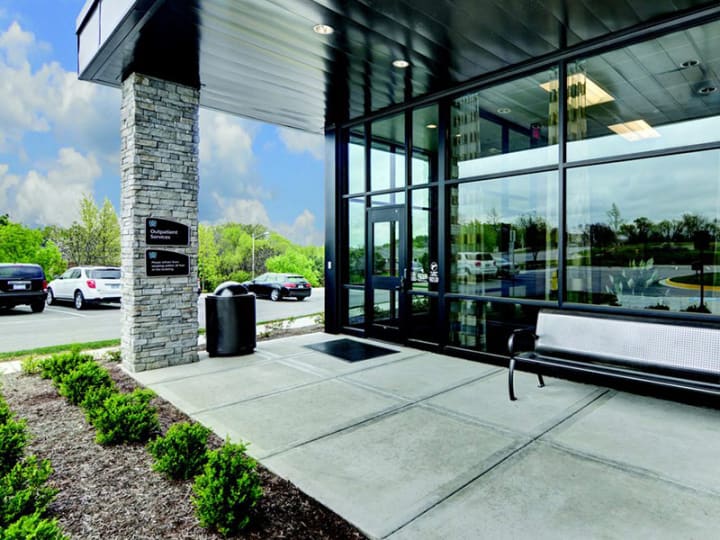
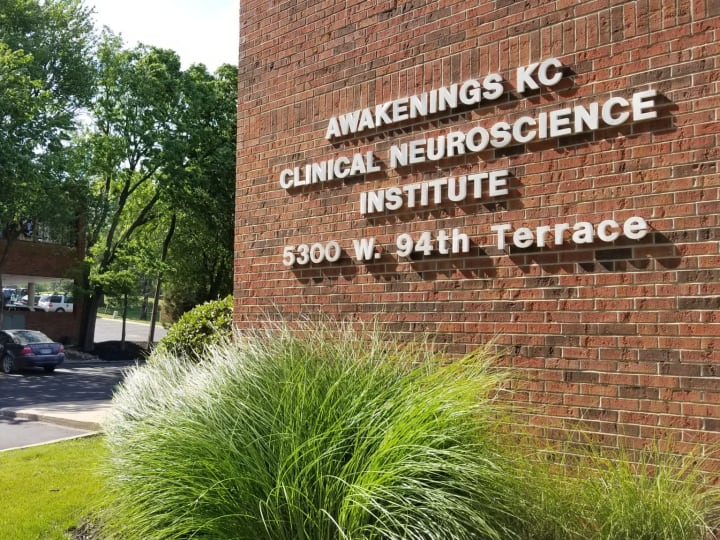
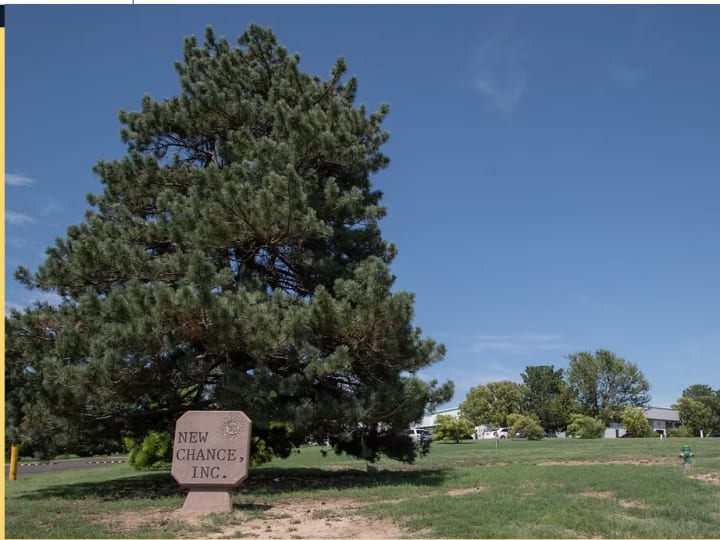
Offers partial hospitalization / day treatment, intensive outpatient program (IOP), and outpatient treatment in Overland Park, KS; accepts Private insurance and TRICARE.
Reports accreditation: The Joint Commission
Reports accepting: Private insurance, TRICARE, Cash or self-pay
Partial hospitalization / day treatmentOutpatientIntensive outpatient program (IOP)
Directory listing Recovery.com source rating: 4.7 from 31 ratings
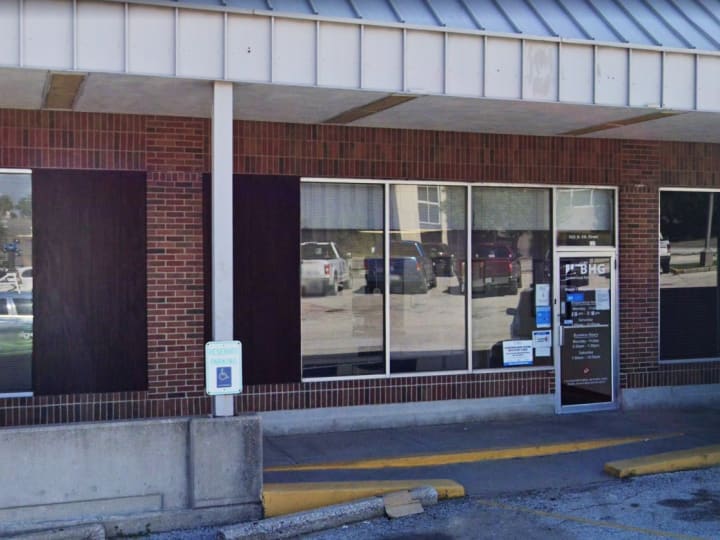
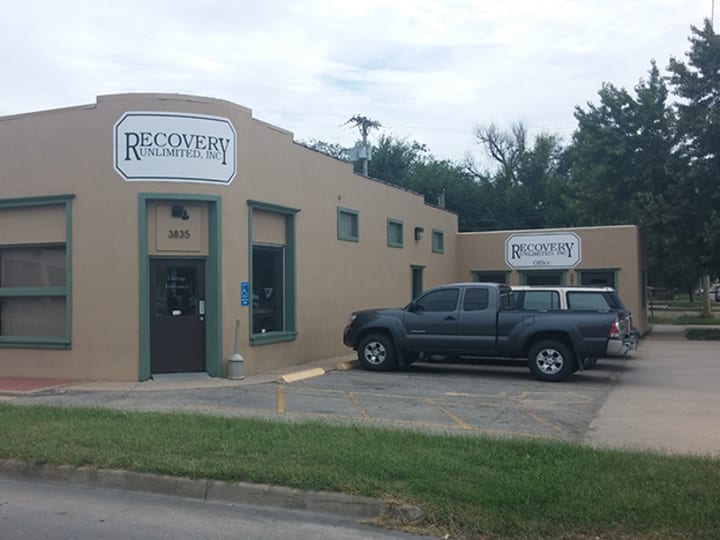
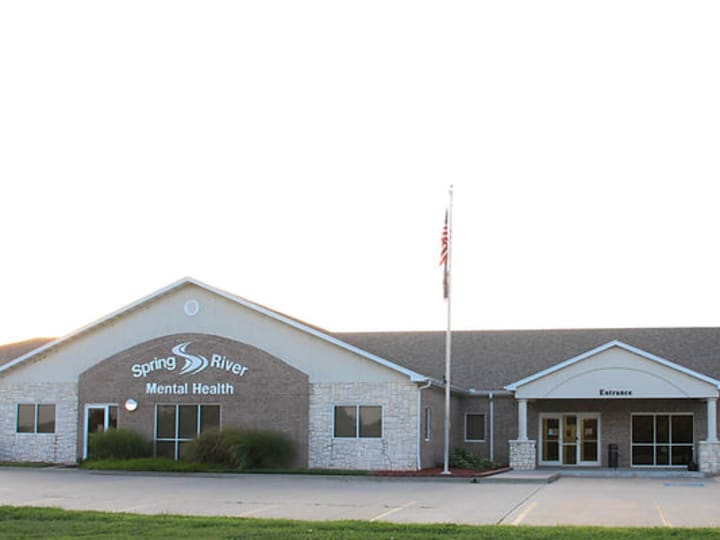
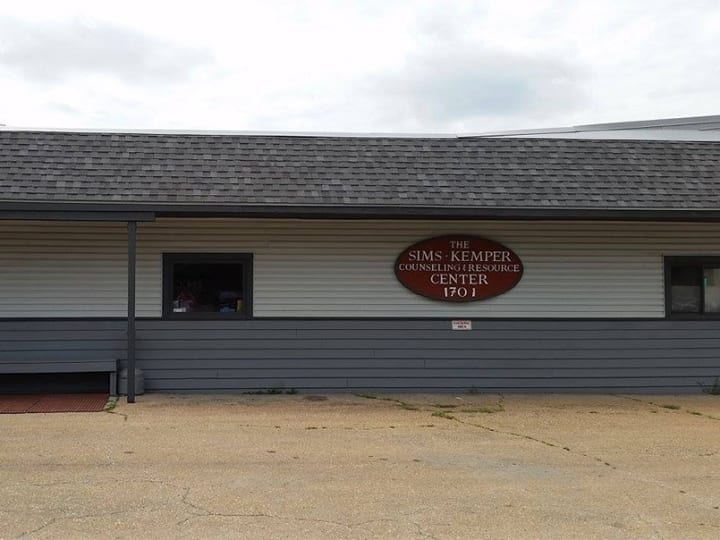
Offers intensive outpatient program (IOP), outpatient treatment, and licensed primary mental health in Topeka, KS; accepts Medicaid and Private insurance.
Reports accepting: Medicaid, Private insurance, TRICARE +1 more
OutpatientLicensed Primary Mental HealthIntensive outpatient program (IOP)
Directory listing Recovery.com source rating: 5.0 from 3 ratings
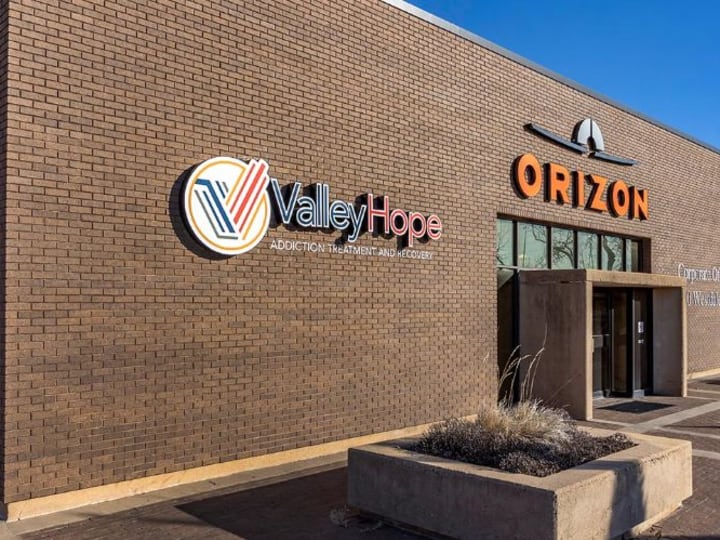
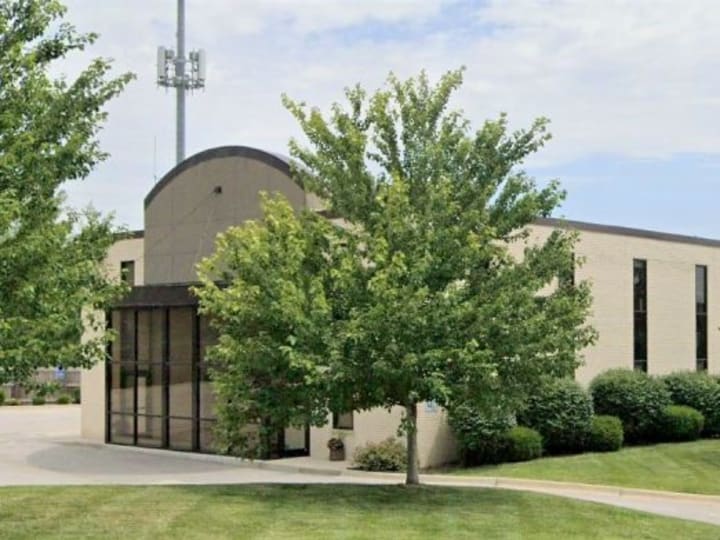
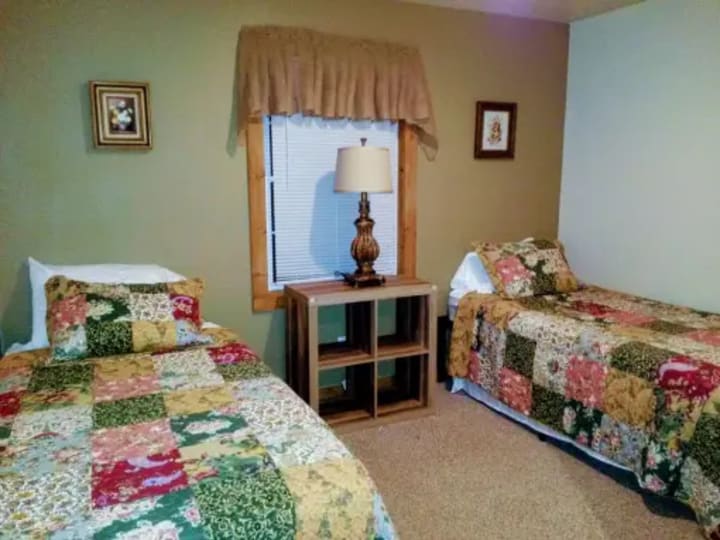
Offers withdrawal management / detox, residential treatment, and intensive outpatient program (IOP) in Dodge City, KS; accepts Medicaid and Private insurance.
Reports accepting: Medicaid, Private insurance, Cash or self-pay
ResidentialOutpatient TherapyAccepts Patients With Prescribed Medications For Opioid Use Disorder
Directory listing Recovery.com source rating: 4.2 from 19 ratings
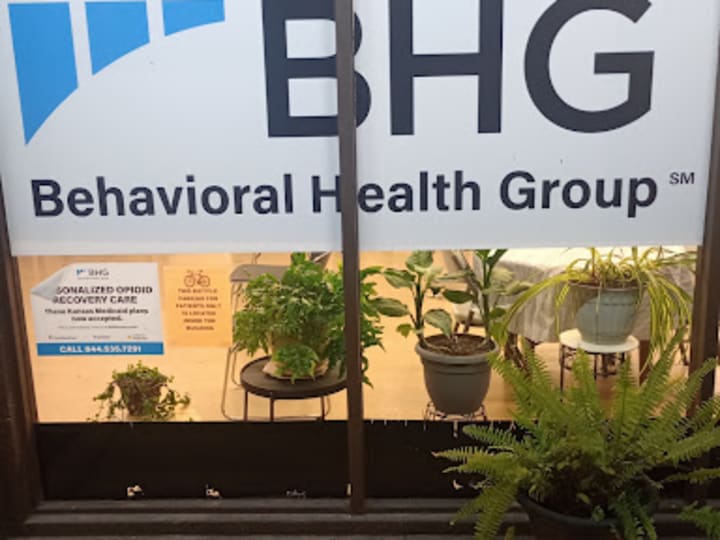
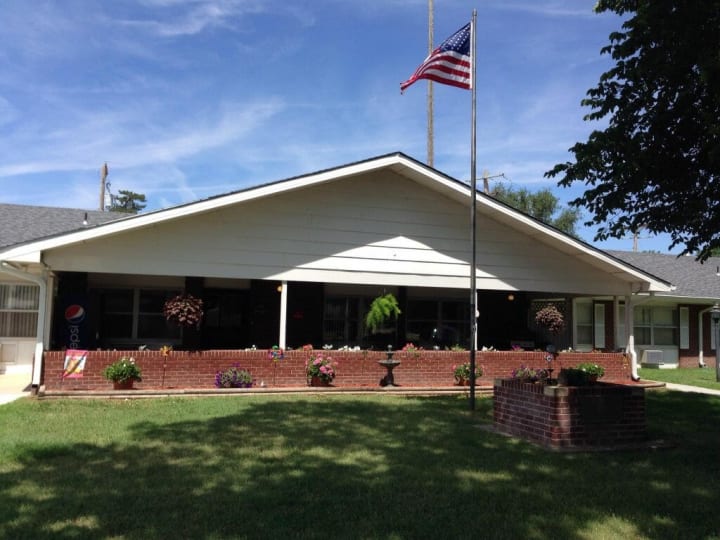
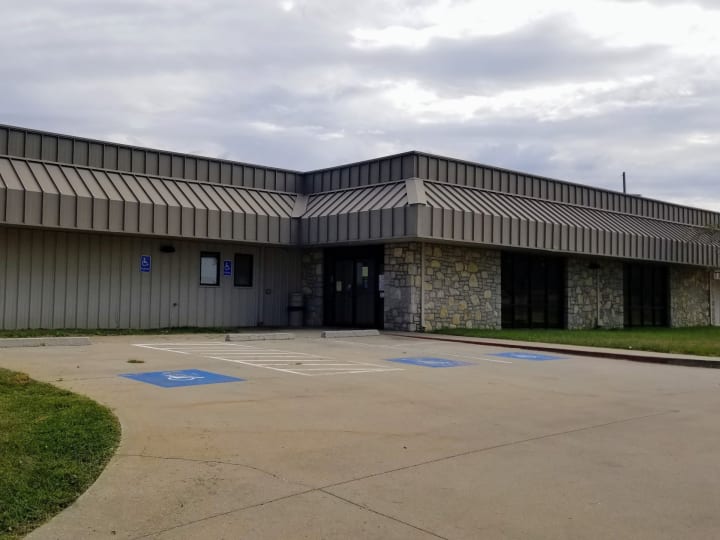
Offers withdrawal management / detox, residential treatment, and intensive outpatient program (IOP) in Leavenworth, KS; accepts Medicare and Private insurance.
Filter by place, type of care, and the insurance you have.
2
Check credentials
Look for the verification label, accreditation, and licensing on each profile.
3
Call and confirm
Ask about openings, your insurance, total cost, and what happens after discharge.
4
Decide with support
A doctor or counselor can help judge which level of care fits.
Finding addiction treatment in Kansas
Kansas licenses substance use disorder treatment facilities through its behavioral health licensing division and delivers Medicaid through KanCare plans. Licensure, Medicaid enrollment, and a plan contract are separate requirements, so verify each before relying on a provider's coverage claim.
Licensing and oversight
The Kansas Department for Aging and Disability Services, or KDADS, Behavioral Health Licensing Division licenses substance use disorder treatment facilities. Kansas law requires covered treatment facilities to hold a license, and KDADS uses application review, surveys, and complaint follow-up to monitor compliance. The license and approved modalities are tied to the program and location. Ask for the current KDADS license and confirm that it covers the recommended outpatient, residential, or other service. An individual counselor credential or national accreditation does not replace facility licensure. Search the state program list or contact KDADS when the organization's name, address, or approved service does not match what is being advertised.
Paying for treatment
Kansas Medicaid is delivered through KanCare managed care organizations. A substance use disorder provider generally must be licensed as required, enrolled in the Kansas Medical Assistance Program, and contracted with the member's KanCare plan to be treated as in network. The plans can use separate behavioral health administrators and authorization processes. Call the plan with the provider's legal name, address, and proposed level of care. KDADS also administers block grant and other public treatment funds through contracted providers, which may help people who are uninsured or underinsured. Private insurance members should verify clinical, pharmacy, laboratory, and housing charges separately.
Questions to ask providers
Ask for the KDADS treatment facility license and confirm the location and approved modalities. Verify active Kansas Medicaid enrollment and a contract with your exact KanCare plan, or confirm private insurance network status directly with the payer. Ask who obtains authorization, what clinical criteria are used, and what happens if the payer approves less care than recommended. Find out which medications for opioid or alcohol use disorder are available and whether current prescriptions continue. Ask what licensed staff are present during residential care, how emergencies are transferred, and whether public funding is available if coverage ends. Request written cost and discharge information before admission.
Frequently asked questions
How many addiction treatment centers are in Kansas?
TreatmentLane lists 300 published addiction treatment, detox, mental health, and recovery listings in Kansas. Compare services, insurance information, and contact details, then confirm licensing and availability directly with the provider.
How is addiction treatment licensed in Kansas?
The Kansas Department for Aging and Disability Services, or KDADS, Behavioral Health Licensing Division licenses substance use disorder treatment facilities. Kansas law requires covered treatment facilities to hold a license, and KDADS uses application review, surveys, and complaint follow-up to monitor compliance.
How can I pay for addiction treatment in Kansas?
Kansas Medicaid is delivered through KanCare managed care organizations. A substance use disorder provider generally must be licensed as required, enrolled in the Kansas Medical Assistance Program, and contracted with the member's KanCare plan to be treated as in network.
What should I ask a treatment center in Kansas before choosing one?
Ask for the KDADS treatment facility license and confirm the location and approved modalities. Verify active Kansas Medicaid enrollment and a contract with your exact KanCare plan, or confirm private insurance network status directly with the payer.