Paid placements are always labeled Featured and appear first. Nothing else is paid.
TreatmentLane Verified means the provider claimed the listing and confirmed its details with us.
All other listings are ordered by source evidence, profile completeness, and review confidence.
Accreditation and insurance on a listing are reported by the facility to SAMHSA or its public source listing, unless the provider confirmed them. Check them at the source before deciding.
TreatmentLane is a directory, not a referral service. Confirm licensing, insurance, and cost directly with the provider.
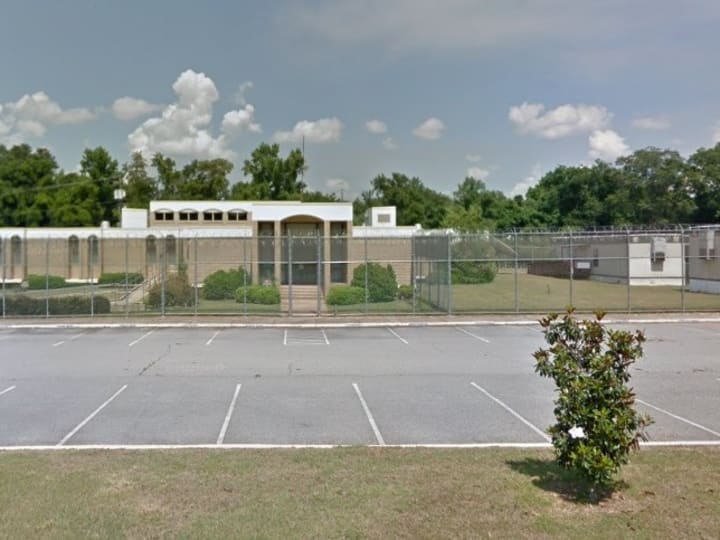
Offers withdrawal management / detox, outpatient treatment, and accepts patients with prescribed medications for opioid use disorder in Eastman, GA; accepts Cash or self-pay.
Reports accreditation: CARF International
Reports accepting: Cash or self-pay
OutpatientAccepts Patients With Prescribed Medications For Opioid Use DisorderWithdrawal management / detox
Directory listing Recovery.com source rating: 4.8 from 10 ratings
Offers partial hospitalization / day treatment, intensive outpatient program (IOP), and outpatient treatment in Acworth, GA; accepts Private insurance and Cash or self-pay.
Reports accepting: Private insurance, Cash or self-pay, UMR
OutpatientLicensed Primary Mental HealthPartial hospitalization / day treatment
Directory listing Recovery.com source rating: 4.3 from 47 ratings
Offers partial hospitalization / day treatment, intensive outpatient program (IOP), and outpatient treatment in Decatur, GA; accepts Medicaid and Cash or self-pay.
Reports accreditation: CARF International
Reports accepting: Medicaid, Cash or self-pay
OutpatientSober livingPartial hospitalization / day treatment
Directory listing Recovery.com source rating: 4.4 from 19 ratings
Offers outpatient treatment, prescribes medications for opioid use disorder, and outpatient programs in Atlanta, GA; accepts Medicare and Cash or self-pay.
Reports accreditation: CARF International
Reports accepting: Medicare, Cash or self-pay
OutpatientPrescribes Medications For Opioid Use DisorderOutpatient treatment
Directory listing Recovery.com source rating: 4.3 from 31 ratings
Offers partial hospitalization / day treatment, intensive outpatient program (IOP), and outpatient treatment in Atlanta, GA; accepts Private insurance and TRICARE.
Reports accreditation: CARF International
Reports accepting: Private insurance, TRICARE, Cash or self-pay
HospitalPartial hospitalization / day treatmentLicensed Primary Mental Health
Directory listing Recovery.com source rating: 4.6 from 9 ratings
Offers residential treatment, partial hospitalization / day treatment, and intensive outpatient program (IOP) in Lavonia, GA; accepts Private insurance and Cash or self-pay.
Reports accepting: Private insurance, Cash or self-pay
ResidentialSober livingResidential treatment
Directory listing Recovery.com source rating: 4.3 from 27 ratings
Offers intensive outpatient program (IOP), outpatient treatment, and prescribes medications for opioid use disorder in Valdosta, GA; accepts Medicare and Private insurance.
Reports accepting: Medicare, Private insurance, Cash or self-pay
OutpatientPrescribes Medications For Opioid Use DisorderIntensive outpatient program (IOP)
Directory listing Recovery.com source rating: 5.0 from 3 ratings
Offers withdrawal management / detox, intensive outpatient program (IOP), and outpatient treatment in Augusta, GA; accepts Private insurance and Cash or self-pay.
Reports accreditation: CARF International
Reports accepting: Private insurance, Cash or self-pay
Filter by place, type of care, and the insurance you have.
2
Check credentials
Look for the verification label, accreditation, and licensing on each profile.
3
Call and confirm
Ask about openings, your insurance, total cost, and what happens after discharge.
4
Decide with support
A doctor or counselor can help judge which level of care fits.
Finding addiction treatment in Georgia
Georgia changed its addiction-treatment licensing structure in 2026, so current verification matters. The state behavioral health department now licenses the main categories of drug treatment programs, while Medicaid reimbursement is administered through a separate state agency and managed care plans. Older provider materials may name the previous licensing office, which is another reason to use current state sources.
Licensing and oversight
Effective January 1, 2026, the Georgia Department of Behavioral Health and Developmental Disabilities (DBHDD) became the licensing authority for Drug Abuse Treatment and Education Programs and Narcotic Treatment Programs. DATEP rules cover residential and nonresidential treatment programs, and a program must hold a license before operating. New branch locations generally require separate licenses under rules effective in 2026. Ask for the license attached to the exact treatment address, not only the parent organization. A recovery residence that provides housing alone may fall under different rules than a residence that delivers treatment. Opioid treatment programs also need federal certification, so ask to verify both the state and federal approvals.
Paying for treatment
Georgia Medicaid reimbursement and behavioral health policy are administered by the Department of Community Health in partnership with DBHDD. Many eligible members receive services through one of the state's Care Management Organizations, which authorizes care and maintains its own provider network. DBHDD also contracts with community providers across six regions and supports outpatient, intensive outpatient, residential, withdrawal management, opioid treatment, and peer services. Availability and payment source vary by program. Call the Medicaid plan with the provider's legal billing name and address, and ask whether the proposed level of care requires authorization. If you are uninsured, contact the regional DBHDD system to ask about publicly funded providers before assuming private payment is the only option.
Questions to ask providers
Ask for the current DBHDD DATEP or Narcotic Treatment Program license and confirm that it belongs to the location you will attend. Ask whether each service is delivered on site, especially detoxification, residential care, and medication treatment. Confirm that the program is enrolled with Georgia Medicaid and contracted with your exact Care Management Organization or private insurer. Request a written estimate that identifies housing, clinical, medical, pharmacy, and laboratory charges. Ask what clinical criteria determine the level of care, which medications for opioid or alcohol use disorder are offered, and how co-occurring mental health needs are managed. Finally, ask which provider will handle medications and counseling after discharge.
Frequently asked questions
How many addiction treatment centers are in Georgia?
TreatmentLane lists 669 published addiction treatment, detox, mental health, and recovery listings in Georgia. Compare services, insurance information, and contact details, then confirm licensing and availability directly with the provider.
How is addiction treatment licensed in Georgia?
Effective January 1, 2026, the Georgia Department of Behavioral Health and Developmental Disabilities (DBHDD) became the licensing authority for Drug Abuse Treatment and Education Programs and Narcotic Treatment Programs.
How can I pay for addiction treatment in Georgia?
Georgia Medicaid reimbursement and behavioral health policy are administered by the Department of Community Health in partnership with DBHDD. Many eligible members receive services through one of the state's Care Management Organizations, which authorizes care and maintains its own provider network.
What should I ask a treatment center in Georgia before choosing one?
Ask for the current DBHDD DATEP or Narcotic Treatment Program license and confirm that it belongs to the location you will attend. Ask whether each service is delivered on site, especially detoxification, residential care, and medication treatment.