Paid placements are always labeled Featured and appear first. Nothing else is paid.
TreatmentLane Verified means the provider claimed the listing and confirmed its details with us.
All other listings are ordered by source evidence, profile completeness, and review confidence.
Accreditation and insurance on a listing are reported by the facility to SAMHSA or its public source listing, unless the provider confirmed them. Check them at the source before deciding.
TreatmentLane is a directory, not a referral service. Confirm licensing, insurance, and cost directly with the provider.
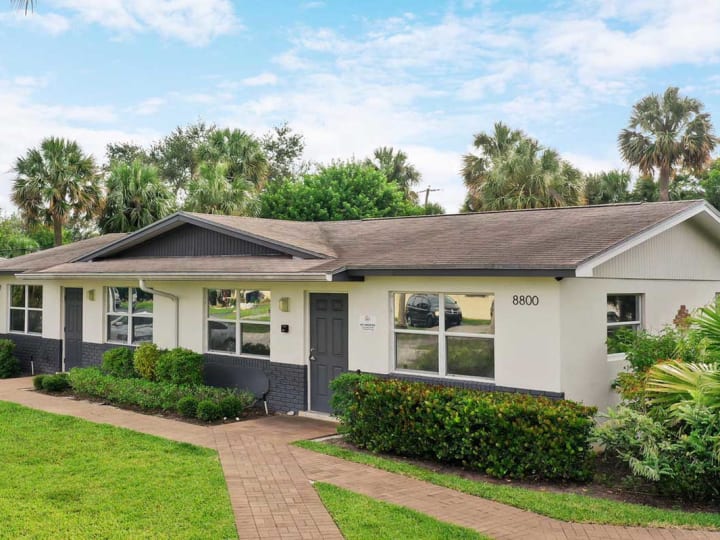
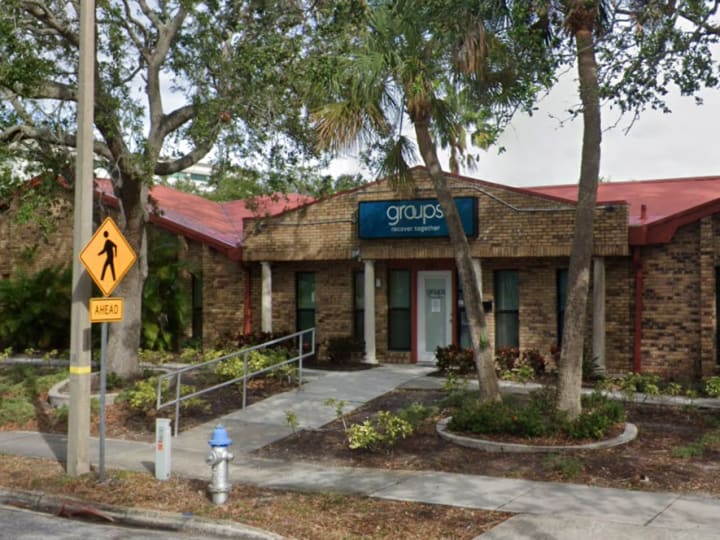
Offers intensive outpatient program (IOP), outpatient treatment, and licensed primary mental health in Pompano Beach, FL; accepts Private insurance and TRICARE.
Reports accreditation: The Joint Commission
Reports accepting: Private insurance, TRICARE, Cash or self-pay
OutpatientLicensed Primary Mental HealthIntensive outpatient program (IOP)
Directory listing Recovery.com source rating: 4.5 from 44 ratings
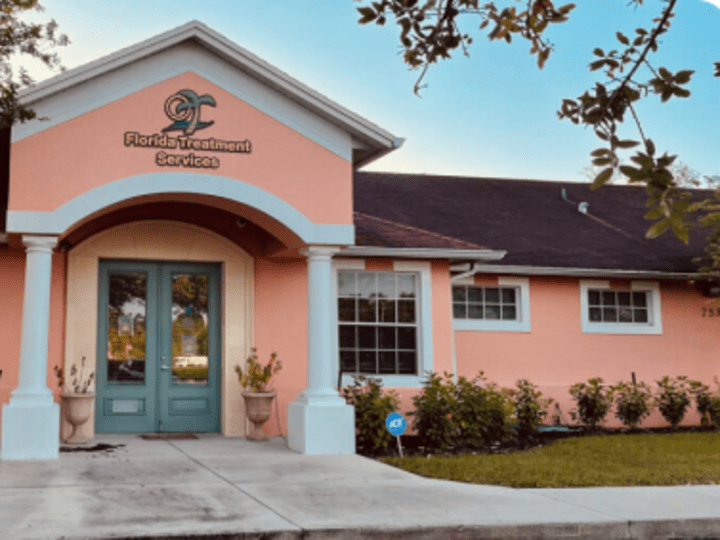
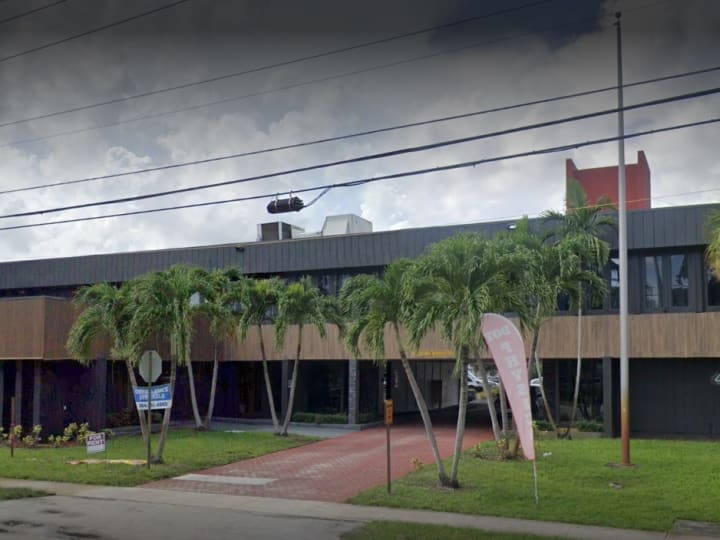
Offers withdrawal management / detox, partial hospitalization / day treatment, and intensive outpatient program (IOP) in Miami, FL; accepts Medicare and Medicaid.
Reports accreditation: The Joint Commission
Reports accepting: Medicare, Medicaid, Private insurance +2 more
OutpatientPartial hospitalization / day treatmentLicensed Primary Mental Health
Directory listing Recovery.com source rating: 4.6 from 28 ratings
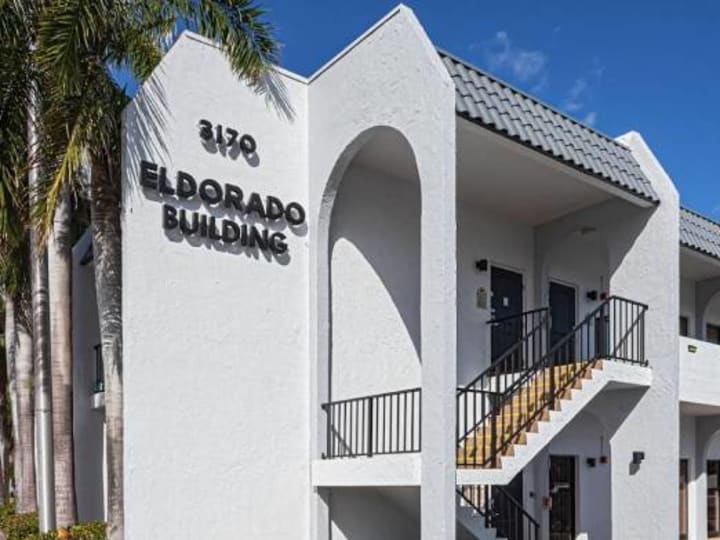
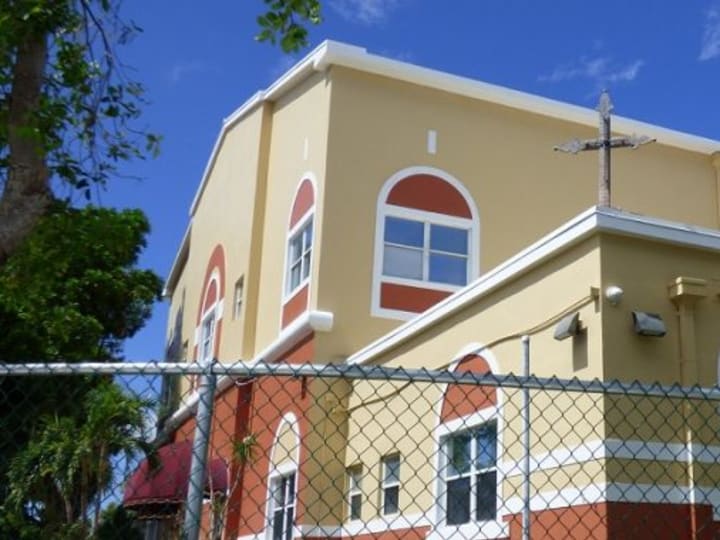
Offers withdrawal management / detox, residential treatment, and partial hospitalization / day treatment in Cocoa Beach, FL; accepts Private insurance and TRICARE.
Reports accreditation: CARF International
Reports accepting: Private insurance, TRICARE, Cash or self-pay
ResidentialOutpatientVirtual
Directory listing Recovery.com source rating: 5.0 from 11 ratings
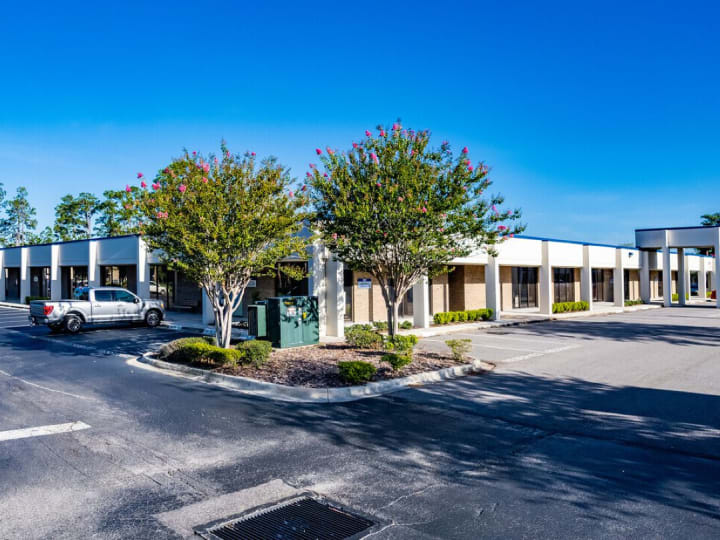
Offers outpatient treatment, prescribes medications for opioid use disorder, and outpatient programs in Port Richey, FL; accepts Medicare and Medicaid.
Reports accreditation: CARF International
Reports accepting: Medicare, Medicaid, Private insurance +2 more
OutpatientPrescribes Medications For Opioid Use DisorderOutpatient treatment
Directory listing Recovery.com source rating: 4.7 from 18 ratings
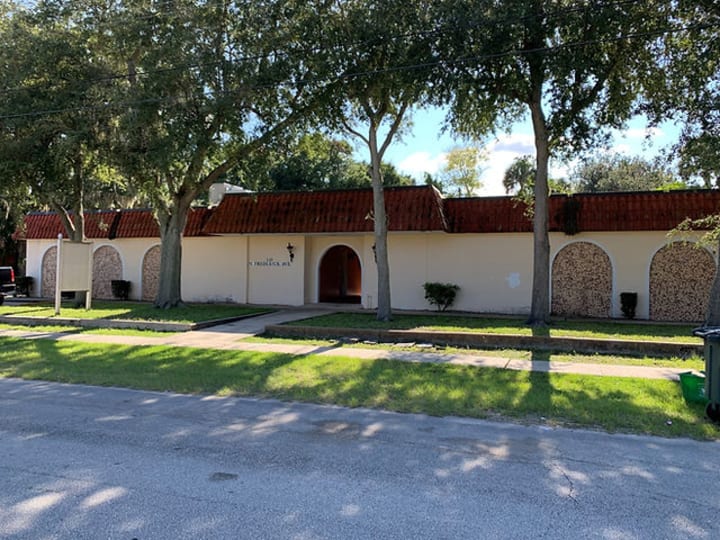
Offers partial hospitalization / day treatment, intensive outpatient program (IOP), and outpatient treatment in Daytona Beach, FL; accepts Private insurance and Cash or self-pay.
Reports accreditation: CARF International, National Committee for Quality Assurance
Reports accepting: Private insurance, Cash or self-pay
OutpatientPartial hospitalization / day treatmentIntensive outpatient program (IOP)
Directory listing Recovery.com source rating: 4.4 from 57 ratings
Offers withdrawal management / detox, outpatient treatment, and licensed primary mental health in Fort Lauderdale, FL; accepts Medicaid and Private insurance.
Reports accepting: Medicaid, Private insurance, Cash or self-pay
Offers residential treatment, partial hospitalization / day treatment, and intensive outpatient program (IOP) in Miami, FL; accepts Medicaid and Private insurance.
Reports accreditation: CARF International
Reports accepting: Medicaid, Private insurance, Cash or self-pay
ResidentialSober livingResidential treatment
Directory listing Recovery.com source rating: 4.3 from 102 ratings
Offers outpatient treatment, prescribes medications for opioid use disorder, and outpatient programs in Orange City, FL; accepts Medicare and Medicaid.
Reports accreditation: CARF International
Reports accepting: Medicare, Medicaid, Private insurance +2 more
OutpatientPrescribes Medications For Opioid Use DisorderOutpatient treatment
Directory listing Recovery.com source rating: 4.7 from 13 ratings
Filter by place, type of care, and the insurance you have.
2
Check credentials
Look for the verification label, accreditation, and licensing on each profile.
3
Call and confirm
Ask about openings, your insurance, total cost, and what happens after discharge.
4
Decide with support
A doctor or counselor can help judge which level of care fits.
Finding addiction treatment in Florida
Florida has a large addiction treatment industry, and one of the most detailed licensing frameworks in the country, built partly in response to past abuses. That history is exactly why understanding the rules matters here more than almost anywhere. Here is how Florida licenses providers, how to pay for care, and what to ask.
Licensing and oversight
Florida licenses substance abuse treatment providers through the Department of Children and Families (DCF), under Chapter 397 of Florida Statutes and Rule 65D-30. DCF licenses individual service components, so a provider must hold a license for each type of care it offers: detox, residential, outpatient, and others. Some facilities are also licensed by the Agency for Health Care Administration (AHCA), which regulates health care facilities more broadly, and recovery residences can earn certification through approved credentialing bodies. To verify a provider, check DCF's published lists of licensed providers and cross-reference facilities through AHCA's Florida Health Finder. Ask the program exactly which components it is licensed for, and make sure that matches the services it advertises. Mismatches between advertised and licensed services are a major red flag.
Paying for treatment
Florida Medicaid operates through the Statewide Medicaid Managed Care (SMMC) program, where members enroll in a managed medical assistance plan. Substance abuse treatment is among the minimum services these plans must cover, and many plans add expanded benefits such as intensive outpatient programs and medication-assisted treatment. Private insurance must cover addiction treatment under federal parity law. For the uninsured, Florida distributes state and federal funding to community providers, so ask about state-funded openings or sliding-scale fees. Be aware that, like Texas, Florida has not expanded Medicaid under the Affordable Care Act, which leaves many low-income adults without coverage; the federal marketplace may be an option at higher income levels. One Florida-specific point: the state's Marchman Act allows families to seek court-ordered assessment and treatment for a loved one who refuses care. An admissions counselor can explain how that process works.
Questions to ask providers
Ask which DCF-licensed service components the program holds and verify them against the state's published lists. Confirm the program is in-network with your SMMC Medicaid plan or your private insurer, and get the answer in writing before admission. Ask whether medication-assisted treatment is available from day one and which medications are offered. Ask how the program handles a situation where your loved one refuses care, including its experience with the Marchman Act process. Ask how families are involved in treatment planning. Finally, ask what recovery support continues after discharge, such as step-down care, alumni programs, or connections to community recovery resources.
Frequently asked questions
How many addiction treatment centers are in Florida?
TreatmentLane lists 1,510 published addiction treatment, detox, mental health, and recovery listings in Florida. Compare services, insurance information, and contact details, then confirm licensing and availability directly with the provider.
How is addiction treatment licensed in Florida?
Florida licenses substance abuse treatment providers through the Department of Children and Families (DCF), under Chapter 397 of Florida Statutes and Rule 65D-30. DCF licenses individual service components, so a provider must hold a license for each type of care it offers: detox, residential, outpatient, and others.
How can I pay for addiction treatment in Florida?
Florida Medicaid operates through the Statewide Medicaid Managed Care (SMMC) program, where members enroll in a managed medical assistance plan.
What should I ask a treatment center in Florida before choosing one?
Ask which DCF-licensed service components the program holds and verify them against the state's published lists. Confirm the program is in-network with your SMMC Medicaid plan or your private insurer, and get the answer in writing before admission.