Paid placements are always labeled Featured and appear first. Nothing else is paid.
TreatmentLane Verified means the provider claimed the listing and confirmed its details with us.
All other listings are ordered by source evidence, profile completeness, and review confidence.
Accreditation and insurance on a listing are reported by the facility to SAMHSA or its public source listing, unless the provider confirmed them. Check them at the source before deciding.
TreatmentLane is a directory, not a referral service. Confirm licensing, insurance, and cost directly with the provider.
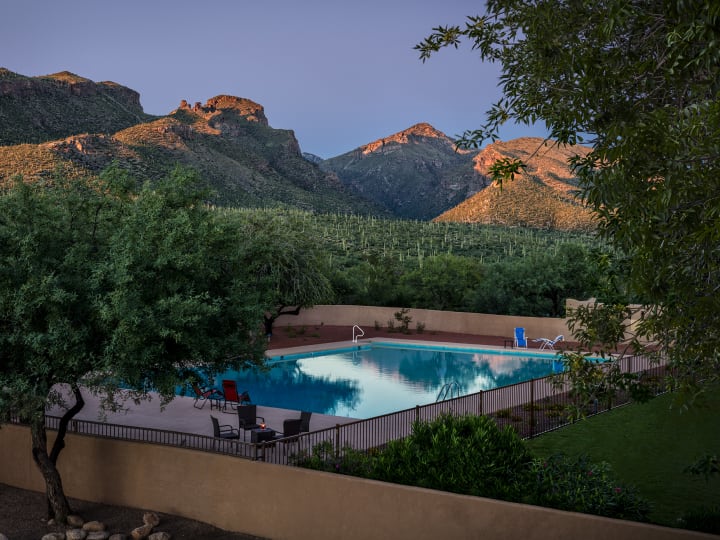
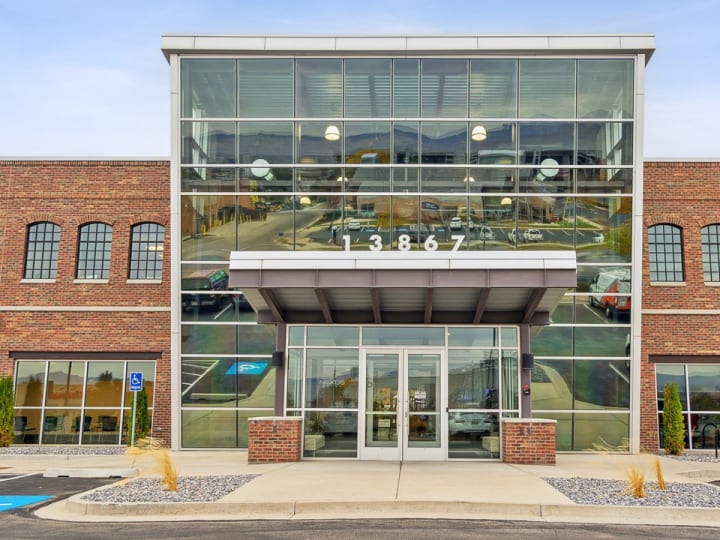
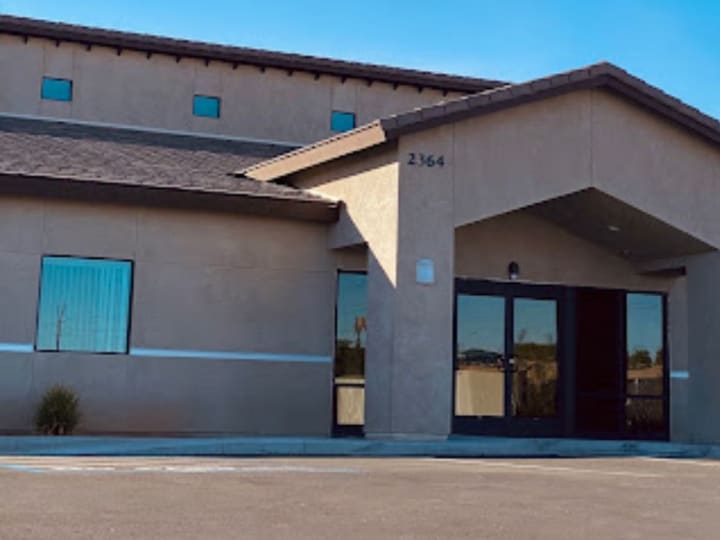
Offers residential treatment, partial hospitalization / day treatment, and outpatient treatment in Holden, UT; accepts Private insurance and Cash or self-pay.
Reports accepting: Private insurance, Cash or self-pay
Private TherapyResidentialResidential treatment
Directory listing Recovery.com source rating: 4.7 from 50 ratings
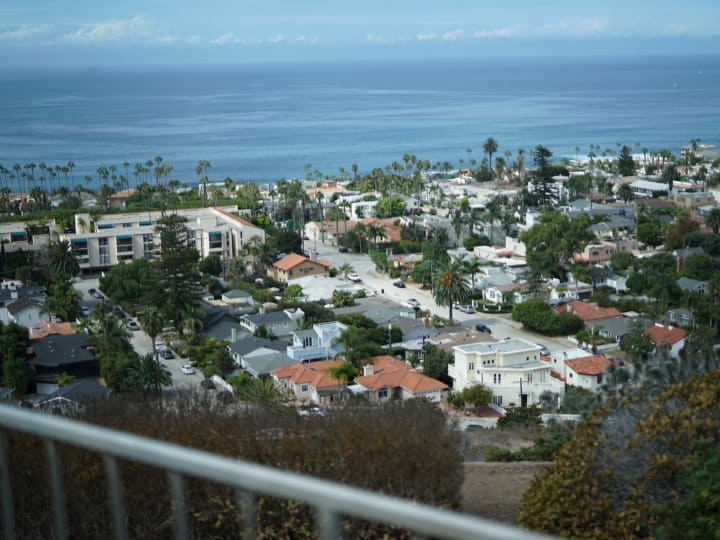
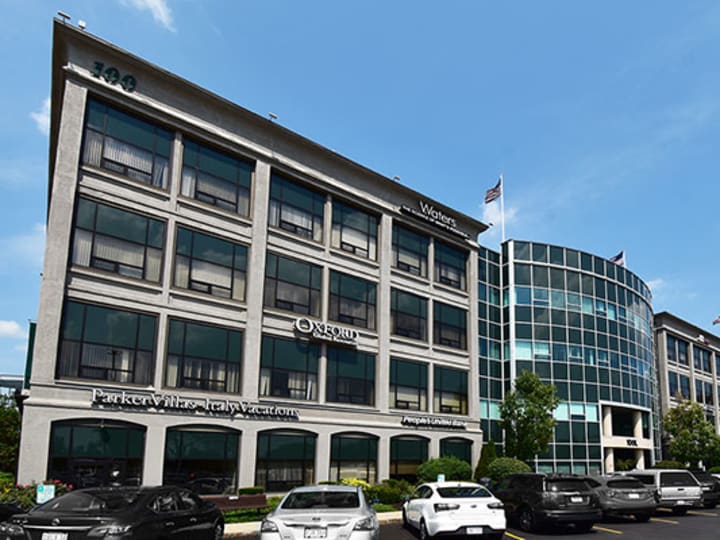
Offers withdrawal management / detox, residential treatment, and partial hospitalization / day treatment in Park City, UT; accepts Medicare and Medicaid.
Reports accepting: Medicare, Medicaid, Private insurance +2 more
ResidentialPartial hospitalization / day treatmentWithdrawal management / detox
Directory listing Recovery.com source rating: 4.6 from 115 ratings
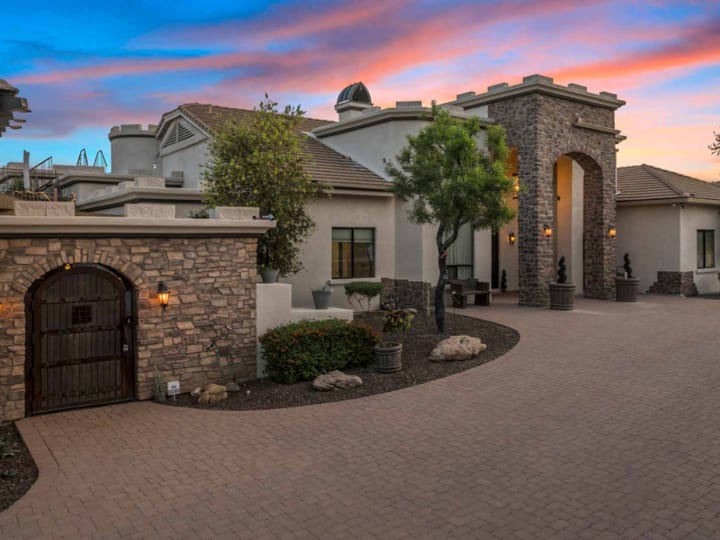
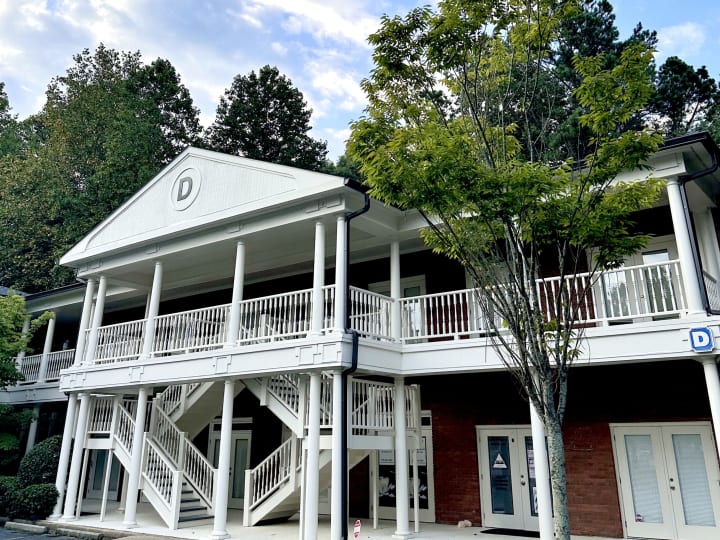
Offers withdrawal management / detox, residential treatment, and partial hospitalization / day treatment in Colorado Springs, CO; accepts Medicare and Private insurance.
Reports accreditation: The Joint Commission, CARF International
Reports accepting: Medicare, Private insurance, TRICARE +1 more
ResidentialDetoxWithdrawal management / detox
Directory listing Recovery.com source rating: 4.6 from 101 ratings
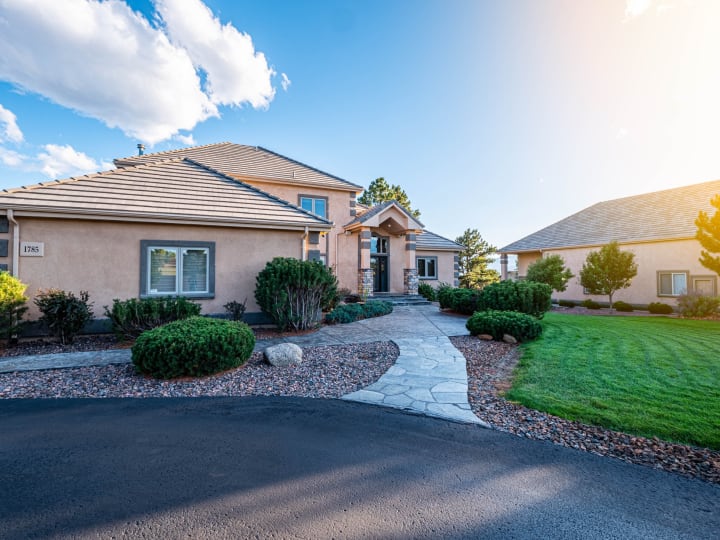
Offers withdrawal management / detox, partial hospitalization / day treatment, and intensive outpatient program (IOP) in Wilmington, NC; accepts Medicare and Medicaid.
Reports accreditation: The Joint Commission
Reports accepting: Medicare, Medicaid, Private insurance +2 more
OutpatientPartial hospitalization / day treatmentOutpatient Therapy
Directory listing Recovery.com source rating: 4.6 from 98 ratings
Offers residential treatment, partial hospitalization / day treatment, and outpatient treatment in Chattanooga, TN; accepts Private insurance and Cash or self-pay.
Reports accepting: Private insurance, Cash or self-pay
Partial hospitalization / day treatmentOutpatient TherapyResidential treatment
Directory listing Recovery.com source rating: 4.6 from 98 ratings
Offers withdrawal management / detox, partial hospitalization / day treatment, and intensive outpatient program (IOP) in Beverly, MA; accepts Medicaid and Private insurance.
Reports accepting: Medicaid, Private insurance
Partial hospitalization / day treatmentIntensive outpatient program (IOP)Withdrawal management / detox
Directory listing Recovery.com source rating: 4.8 from 34 ratings
Offers withdrawal management / detox, partial hospitalization / day treatment, and intensive outpatient program (IOP) in Atlanta, GA; accepts Private insurance and Cash or self-pay.
Reports accepting: Private insurance, Cash or self-pay
OutpatientPartial hospitalization / day treatmentOutpatient Therapy
Directory listing Recovery.com source rating: 4.8 from 34 ratings
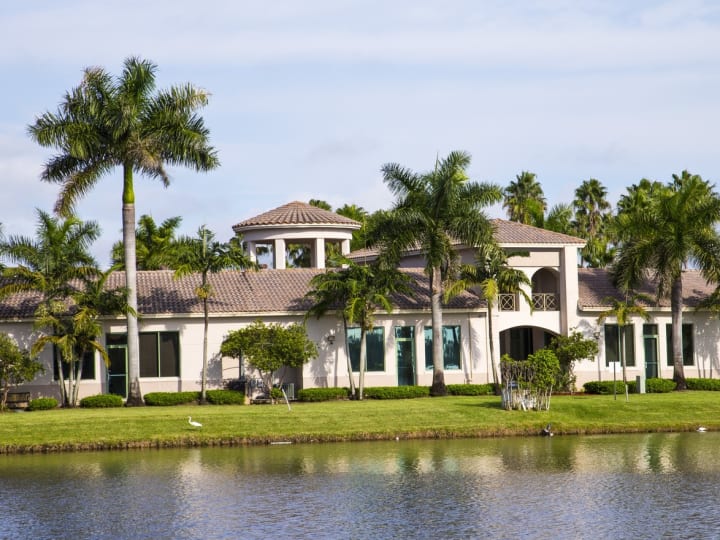
Offers residential treatment, partial hospitalization / day treatment, and outpatient treatment in Hollywood, FL; accepts Private insurance and TRICARE.
Reports accepting: Private insurance, TRICARE, Cash or self-pay
ResidentialPartial hospitalization / day treatmentResidential treatment
Directory listing Recovery.com source rating: 4.9 from 26 ratings
Offers residential treatment, partial hospitalization / day treatment, and intensive outpatient program (IOP) in Temecula, CA; accepts Private insurance and Cash or self-pay.
Reports accreditation: The Joint Commission
Reports accepting: Private insurance, Cash or self-pay
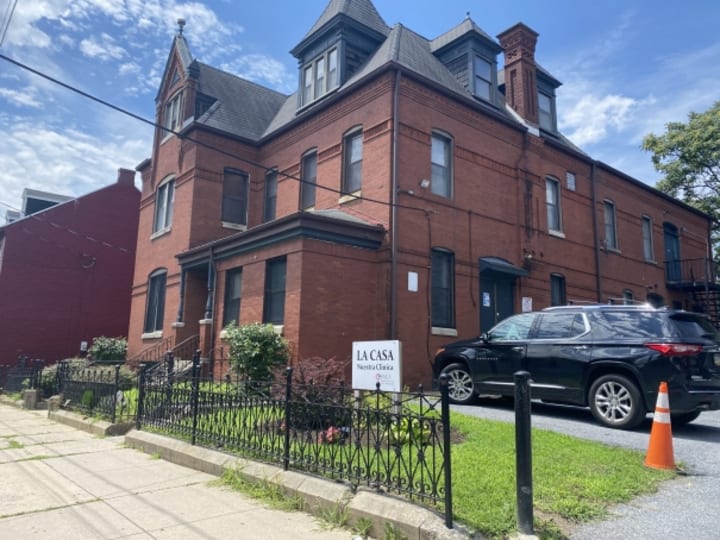
Offers residential treatment, accepts patients with prescribed medications for opioid use disorder, and treatment centers in Lancaster, PA; accepts Medicaid and Private insurance.
Reports accepting: Medicaid, Private insurance, Cash or self-pay
ResidentialAccepts Patients With Prescribed Medications For Opioid Use DisorderResidential treatment
Directory listing Recovery.com source rating: 4.6 from 78 ratings
Offers withdrawal management / detox, residential treatment, and partial hospitalization / day treatment in Copperopolis, CA; accepts Private insurance and Cash or self-pay.
Reports accreditation: The Joint Commission
Reports accepting: Private insurance, Cash or self-pay
ResidentialPartial hospitalization / day treatmentWithdrawal management / detox
Directory listing Recovery.com source rating: 4.6 from 89 ratings
Offers partial hospitalization / day treatment, intensive outpatient program (IOP), and outpatient treatment in Tempe, AZ; accepts Private insurance and TRICARE.
Reports accreditation: The Joint Commission
Reports accepting: Private insurance, TRICARE, Cash or self-pay
OutpatientOutpatient TherapyVirtual
Directory listing Recovery.com source rating: 4.6 from 74 ratings
Offers withdrawal management / detox, residential treatment, and intensive outpatient program (IOP) in Marlboro, NJ; accepts Medicaid and Private insurance.
Reports accepting: Medicaid, Private insurance, TRICARE +1 more
Offers withdrawal management / detox, residential treatment, and intensive outpatient program (IOP) in Rayville, LA; accepts Medicaid and Private insurance.
Reports accepting: Medicaid, Private insurance, TRICARE +1 more
ResidentialDetoxWithdrawal management / detox
Directory listing Recovery.com source rating: 5.0 from 20 ratings
Offers withdrawal management / detox, residential treatment, and intensive outpatient program (IOP) in Gardena, CA; accepts Private insurance and TRICARE.
Reports accreditation: The Joint Commission
Reports accepting: Private insurance, TRICARE, Cash or self-pay +2 more
HospitalResidentialIntensive outpatient program (IOP)
Directory listing Recovery.com source rating: 4.8 from 31 ratings
People often move between levels as their needs change. A clinical assessment decides the starting point.
What to know
Compare the level of care, licensing, clinical services, admission criteria, and aftercare plan before choosing a program.
Residential treatment means you live at the facility for the duration of the program, usually 30, 60, or 90 days. Your days are structured around therapy, group work, and recovery activities, with meals, sleep, and free time on a fixed schedule. It is the most immersive option short of hospital care, designed for people who need distance from their environment and round-the-clock support.
What a day in residential treatment looks like
Expect early wake-ups, scheduled meals, and a full day built around group therapy, individual counseling sessions, educational classes, and wellness activities like exercise or meditation. Most programs also assign chores, enforce curfews, and limit phone and visitor access, especially in the first weeks. Medical staff monitor health, and many programs include family sessions or visiting days. Evenings are usually quieter, with peer support meetings or reflection time. The structure is deliberate: it replaces the chaos of active addiction with routine while you build coping skills.
Who residential care fits, and who should look elsewhere
Residential care makes sense when outpatient treatment has not worked, when the home environment is unstable or full of triggers, when use is severe or long-standing, or when co-occurring mental health conditions need daily monitoring. It is usually more than a mild or early-stage problem requires; a professional assessment using the ASAM criteria can confirm the right level. You should be medically stable before entering most residential programs, which means completing detox first if you are physically dependent. If a program admits you while you are still in acute withdrawal without a medical plan, treat that as a serious warning sign.
What quality looks like, what it costs, and what to ask
Look for state licensing (ask for the license number and verify it), licensed clinical staff such as LCSWs, LPCs, or LCDCs, and evidence-based therapies like cognitive behavioral therapy and motivational interviewing rather than lectures alone. Ask whether the program offers medications for opioid or alcohol use disorder, how it handles co-occurring mental health conditions, and what aftercare planning looks like before discharge. A 2026 national pricing study found 30-day residential programs averaged about $27,500 before insurance, with in-network patients paying roughly one-fifth of that; always get costs in writing. Walk away from guaranteed cures, high-pressure admissions, demands for large upfront cash payments, or programs that advertise amenities far more than clinical care. Ask: what is your license number, what is the staff-to-client ratio, which therapies do you use and why, do you offer medication-assisted treatment, and what exactly happens on the day I leave?
Questions worth asking
Who provides clinical oversight, and what credentials do they hold?
Which services are included, and which are billed separately?
How are emergencies, transfers, and aftercare handled?
How can licensing, accreditation, and insurance status be confirmed?
TreatmentLane does not determine clinical suitability. Confirm important details directly and seek a professional assessment when appropriate.
Frequently asked questions
What should I know about treatment centers?
Residential treatment means you live at the facility for the duration of the program, usually 30, 60, or 90 days. Your days are structured around therapy, group work, and recovery activities, with meals, sleep, and free time on a fixed schedule.
How much does treatment centers cost?
Look for state licensing (ask for the license number and verify it), licensed clinical staff such as LCSWs, LPCs, or LCDCs, and evidence-based therapies like cognitive behavioral therapy and motivational interviewing rather than lectures alone.
How do I choose the right treatment centers option?
Compare the level of care, licensing, clinical services, admission criteria, and aftercare plan before choosing a program.
How many treatment centers listings are on TreatmentLane?
TreatmentLane lists 12,188 published treatment centers listings across the United States. Compare services, licensing, and insurance information, then confirm details directly with the provider.